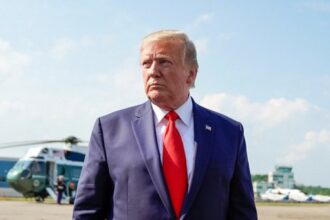
Recent political discourse, there has been increasing concern over the trajectory of the Trump Republican Party, with some observers suggesting it has veered into territory akin to organized treason. This shift in perception reflects a broader societal unease with the party’s direction since Donald Trump’s presidency.
Critics argue that elements within the Trump Republican Party have embraced positions and actions that undermine democratic norms and institutions. From efforts to overturn election results to downplaying or even justifying violent acts, there’s a growing sense that certain factions within the party are prioritizing loyalty to Trump over fidelity to democratic principles.

The term “organized treason” evokes a deliberate and systematic effort to undermine the lawful operations of government or to betray the country’s interests. While strong rhetoric, its use underscores the severity of concerns among critics. They point to incidents such as the January 6 Capitol riot, where supporters of Trump stormed the Capitol building in an attempt to disrupt the certification of electoral votes, as a stark example of this alleged trend towards extremism.
Proponents of this viewpoint argue that the traditional Republican values of fiscal conservatism, limited government, and individual liberty have been overshadowed by a cult of personality centered around Trump. This shift, they contend, has led to a willingness to overlook or excuse behavior that would have been considered unacceptable in previous administrations.
However, defenders of the Trump Republican Party reject these accusations, asserting that the party remains committed to conservative principles and that criticisms are politically motivated. They argue that Trump’s tenure revitalized the party by focusing on issues such as immigration reform, economic nationalism, and deregulation.
The debate over whether the Trump Republican Party has descended into organized treason is emblematic of broader divisions within American politics today. It reflects deeper questions about the future direction of the Republican Party and its role in a rapidly changing political landscape.
As the political landscape continues to evolve, the question of whether the Trump Republican Party has crossed a line into organized treason will likely remain a contentious issue, shaping debates and decisions in the years to come.