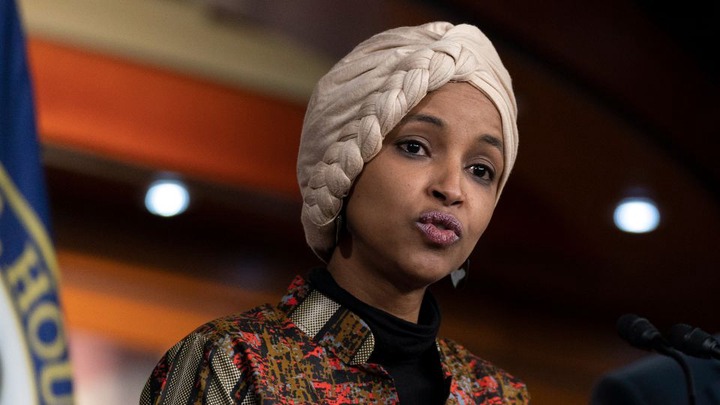
Representative Ilhan Omar ignited significant controversy after defending pro-Palestinian protesters at the University of California, Los Angeles (UCLA) during a congressional hearing.
The Minnesota Democrat faced substantial backlash for her remarks, which criticized the university’s decision to permit pro-Israel counter-protesters to display footage of the violent October 7 attacks executed by Palestinian militants, according to Breitbart.
During the hearing, Omar argued that allowing the graphic footage to be shown was inflammatory and counterproductive to the dialogue on campus.
Omar emphasized the need for universities to foster environments where all students feel safe and respected, regardless of their political views. She suggested that the decision by UCLA could exacerbate tensions rather than promote understanding and peace, as reported by MEA WorldWide on Monday, May 27, 2024.
However, her comments were met with strong criticism from various quarters. Many saw her stance as downplaying the severity of the attacks and being insensitive to the victims and their families. Critics argued that the footage was a stark reminder of the violence and terror inflicted upon innocent people, and acknowledging these realities is crucial for any meaningful discussion about the conflict.
Proponents of the decision to show the footage argued that it was an important part of the historical record and necessary for a balanced understanding of the conflict. They contended that suppressing such material could lead to a one-sided narrative that overlooks the suffering caused by the attacks. Some also pointed out that universities should be places where difficult conversations can take place, including the examination of uncomfortable truths.
The backlash against Omar was swift and intense. Conservative commentators and politicians accused her of being biased and insensitive to the plight of Israeli victims. Some even called for her to be censured or removed from her committee assignments. Social media was abuzz with heated debates, with hashtags related to the controversy trending for several days.
Supporters of Omar defended her position, arguing that her critics were misrepresenting her comments and intentions. They asserted that her primary concern was the well-being of students and the preservation of a respectful academic environment. Omar’s supporters also highlighted her consistent advocacy for human rights and her calls for a fair and just resolution to the Israeli-Palestinian conflict.
The incident at UCLA and the subsequent controversy surrounding Omar’s remarks underscore the deep divisions and passionate feelings that the Israeli-Palestinian conflict evokes, even far from the Middle East. It also highlights the challenges that educational institutions face in navigating these contentious issues and maintaining a balance between free expression and the need to protect students from potential harm.
As the debate continues, it serves as a reminder of the complexities involved in addressing historical and ongoing conflicts. It also illustrates the precarious position that public figures like Representative Omar often find themselves in when they speak out on sensitive and polarizing topics.
The controversy is likely to have lasting repercussions, influencing both campus policies and the broader political discourse in the United States.