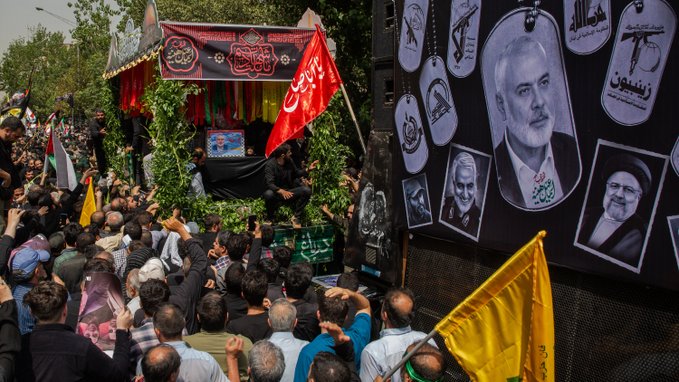
Last month, the tensions between Iran and Israel reached a boiling point when a top Hamas leader was killed, prompting Iran to vow revenge. This declaration sparked fears across Israel and the wider Middle East of an imminent and large-scale retaliation. However, nearly two weeks have elapsed, and the anticipated major response from Iran has yet to materialize, leaving many in the region anxiously waiting.
Iran’s promise of revenge created significant unease among Israeli officials and the general population. The Iranian government’s past actions and rhetoric have contributed to a climate of heightened alert and apprehension. The absence of a visible retaliatory action thus far has left experts and observers puzzled, while also maintaining a persistent state of anxiety in the region.
The delay in Iran’s response raises several questions about the current geopolitical dynamics and the potential future course of action. Analysts are debating whether Iran is strategically delaying its response or if internal or external factors have influenced the timing of its retaliation.
As the situation unfolds, both Israel and its neighbors remain on high alert, closely monitoring any developments that might indicate a shift in the regional balance of power. The ongoing uncertainty continues to fuel speculation and concern about what the next steps might be in this volatile and complex conflict.