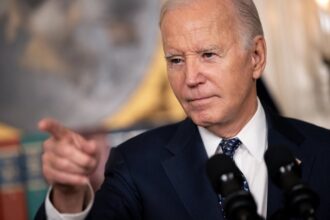
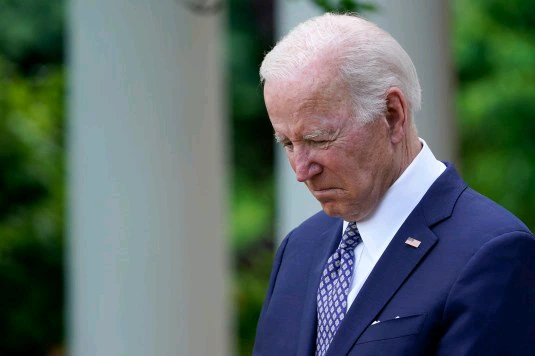
In a pivotal decision, President Joe Biden has officially informed Congress of his intention to remove Cuba from the United States’ state sponsor of terror list. This move, a striking reversal of former President Donald Trump’s 2021 designation, comes with the aim of facilitating the release of political prisoners in Cuba, according to administration officials.
An assessment completed by the Biden administration concluded there was no substantial evidence to justify Cuba’s inclusion on the list. A senior administration official stated that the decision was made in coordination with the Catholic Church, which is reportedly advancing negotiations with the Cuban government to secure the humanitarian release of numerous individuals detained unjustly.
Although the exact number of prisoners expected to be freed remains unclear, the administration is optimistic that this development will unfold soon. Biden’s confidence in the agreement was bolstered by a recent phone conversation with Pope Francis. The president awarded the pontiff the Presidential Medal of Freedom with Distinction, recognizing the Vatican’s efforts in this delicate dialogue.
The Trump administration had reinstated Cuba on the terror list just days before leaving office in 2021. Cuba now stands alongside Syria, Iran, and North Korea as nations carrying the contentious designation, which triggers severe restrictions on foreign assistance, defense exports, and financial transactions. These sanctions also allow the U.S. government to penalize entities conducting trade with listed countries.
However, Biden’s decision could face challenges. Republican Senator Marco Rubio of Florida, a vocal critic of Cuba’s communist government and Trump’s nominee for Secretary of State, has been a strong proponent of maintaining the designation. If confirmed, Rubio could potentially reverse Biden’s action, marking a significant political clash over U.S.-Cuba relations.
With this bold move, President Biden has reignited a long-standing debate over America’s approach to the island nation, underscoring the delicate balance between diplomatic engagement and holding regimes accountable.