2019, Kamala Harris’s presidential campaign hit an unexpected snag when her father, Donald Harris, publicly criticized her for a marijuana joke she made during an interview. The incident not only stirred family tensions but also sparked broader discussions on race and political strategy.
During a radio interview on “The Breakfast Club,” Harris, then a candidate for the Democratic presidential nomination, made a lighthearted remark about her college days. She joked about having smoked marijuana and listening to Snoop Dogg and Tupac while doing so. The comment was meant to resonate with younger, progressive voters who support marijuana legalization.
However, the joke quickly became a controversy when Donald Harris, a Jamaican-born Stanford economics professor, publicly condemned it. In a rare move, he distanced himself from his daughter’s remarks, stating that his ancestors would be “turning in their graves” over what he saw as a perpetuation of negative stereotypes about Jamaicans and marijuana use.
Donald Harris’s response was not just a critique of his daughter’s humor but also a reflection of deeper sensitivities surrounding racial and cultural identities. He expressed concern that her comments might reinforce unfair stereotypes about Jamaicans, a group often associated with drug use in popular culture.
The public rebuke added a layer of complexity to Kamala Harris’s campaign, highlighting the generational and cultural divides that can exist within families. While her joke was intended to align her with a growing voter base supporting marijuana legalization, the backlash from her father emphasized the potential pitfalls of using personal anecdotes in political campaigns.
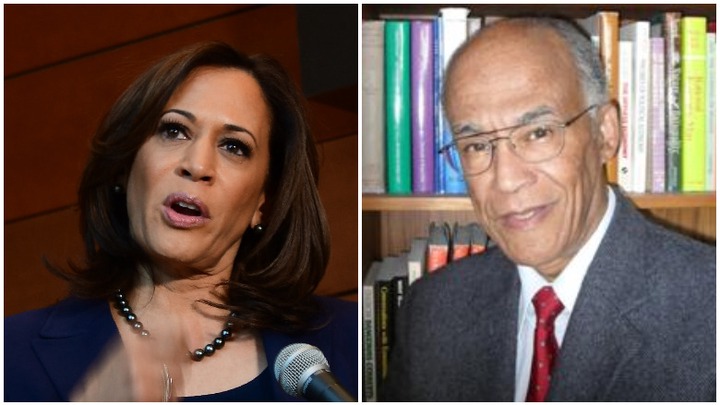
Kamala Harris did not publicly address her father’s criticism, but the incident drew significant media attention. Some commentators used it to question her authenticity and judgment, arguing that her attempt to appear relatable had backfired. Critics saw it as evidence of a lack of seriousness on important issues, while others viewed it as a humanizing moment that underscored the challenges of balancing personal stories with public expectations.
The incident also sparked broader discussions about the role of humor and personal anecdotes in politics. For Harris, the episode served as a reminder of the delicate balance required when attempting to connect with voters without offending cultural sensibilities or alienating those closest to her.
Although the controversy faded from the headlines as Harris continued her campaign and later became Vice President, it remains a significant example of the intricate balancing act faced by public figures. Navigating the demands of personal authenticity, cultural sensitivity, and political strategy can be a challenging endeavor in the unforgiving spotlight of public life.