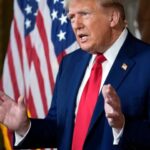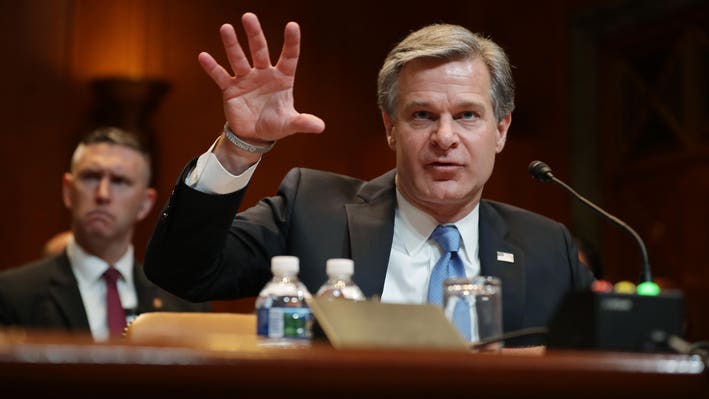
U.S. Judge Aileen Cannon recently demanded substantial evidence from prosecutors to establish a direct link between former President Donald Trump’s inflammatory remarks about the FBI and any real threats of violence against agents.
The hearing scrutinized Trump’s claims that the FBI was authorized to assassinate him during their 2022 raid on his Mar-a-Lago estate. Trump’s allegations, spread via social media and fundraising messages, suggest that the FBI’s standard use-of-force policy was misinterpreted to justify an alleged assassination attempt during the document retrieval process.
These accusations have sparked considerable controversy and concerns about potential violence incited among Trump’s supporters.
Judge Cannon’s Emphasis on Evidence
Judge Cannon emphasized the necessity of concrete evidence linking Trump’s statements to actual threats against FBI agents. “There still needs to be a connection between alleged dangerous statements and the risk of physical harm by Trump’s supporters,” she stated.
This demand highlights the judiciary’s requirement for substantial proof before taking further legal action based on incitement allegations.
Prosecutors’ Arguments
Prosecutors argued that Trump’s rhetoric has heightened risks to FBI personnel, citing increased threats following his statements. They pointed to the volatile nature of Trump’s following, which has a history of violent actions based on his rhetoric. Prosecutors maintain that Trump’s baseless accusations undermine law enforcement authority and endanger agents.
However, Judge Cannon’s insistence on a clear, demonstrable link between Trump’s statements and actual threats imposes a significant burden on the prosecution. This approach could complicate efforts to curb rhetoric that might indirectly incite violence, presenting a challenge in balancing free speech with public safety.
The Mar-a-Lago Raid and Misinformation
The raid on Mar-a-Lago was executed under a legally obtained warrant as part of an investigation into Trump’s retention of classified documents after leaving the White House. The FBI’s actions adhered to standard procedures, contradicting Trump’s assassination plot assertions.
Despite the lack of evidence supporting Trump’s claims, his statements have had a substantial impact, galvanizing his base and generating financial support through fundraising messages. This false narrative exemplifies the broader issue of misinformation and its potential consequences in the digital age.
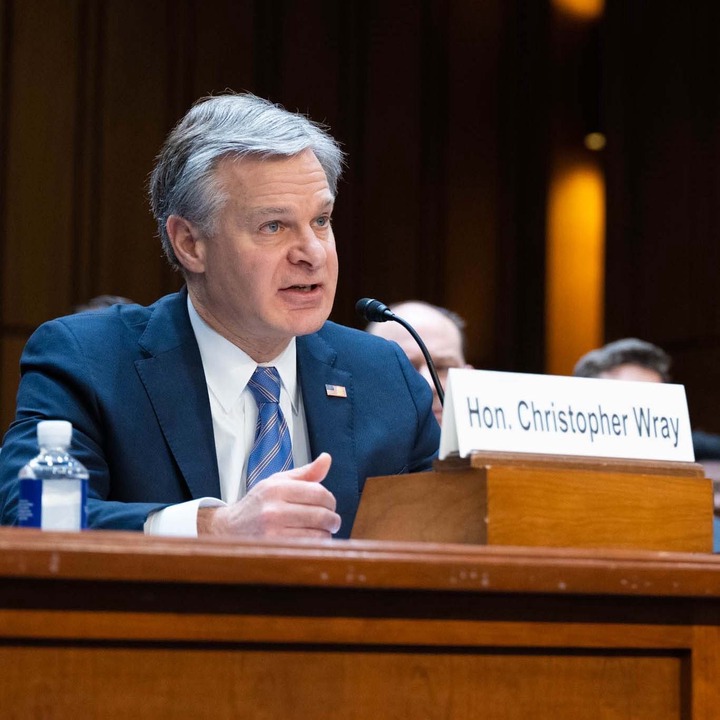
Implications of Judge Cannon’s Ruling
Judge Cannon’s ruling marks a critical juncture in the legal proceedings against Trump. Her demand for concrete evidence ensures that any legal measures taken are based on verifiable facts rather than speculative connections. This stance reflects a broader judicial principle of protecting due process and preventing misuse of legal actions based on unfounded claims.
The outcome of this case could set a precedent for handling similar situations in the future, particularly concerning high-profile figures who wield significant influence over public opinion. As the legal battle continues, the focus remains on ensuring that justice is served based on factual evidence, safeguarding both the integrity of the legal system and the safety of the individuals involved.
Judge Cannon’s requirement for a clear link between Trump’s statements and actual threats represents a crucial moment in the ongoing legal proceedings, with potential far-reaching implications for the intersection of free speech, public safety, and judicial standards in the United States.