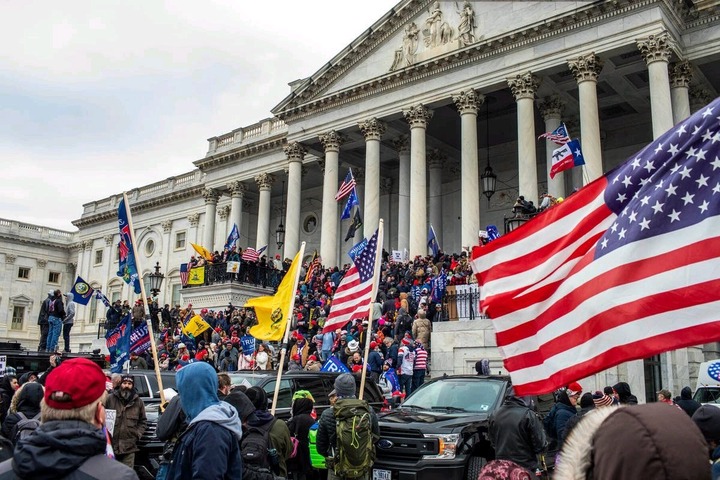
Events of January 6, 2021, mark one of the darkest days in American history. On this day, the United States Capitol, a symbol of democracy and governance, came under unprecedented attack. A mob of rioters, incited by false claims of a stolen election, stormed the Capitol building, disrupting the certification of the Electoral College results and leading to a chaotic and violent confrontation.
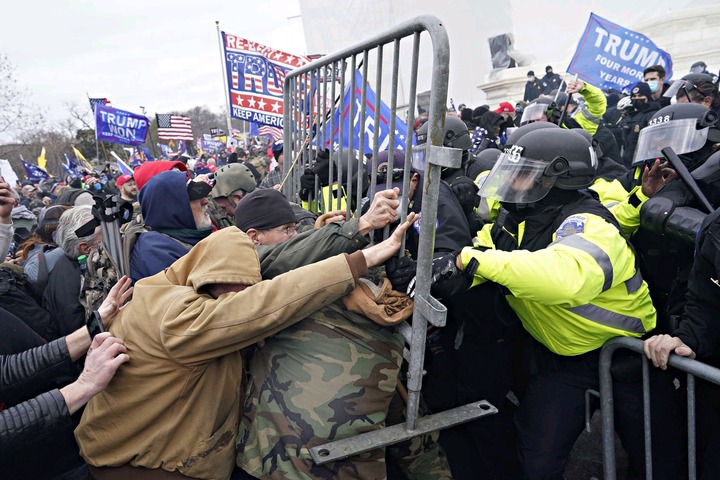
As the day unfolded, the nation watched in shock as the mob breached security barriers, vandalized offices, and clashed with law enforcement. According to a tweet by Julie Kelly on June 8, 2024, the attack resulted in multiple deaths, numerous injuries, and extensive damage to the Capitol, leaving a lasting scar on the American democratic process.
Emotional Impact on Immigrants and Refugees
The storming of the Capitol triggered a particularly complicated wave of emotions among immigrants and refugees, especially those who fled from countries wracked by violence and instability. This event served as a painful reminder of the fragility of peace and order, even in nations perceived as stable.
Scrutiny of Military and Government Officials
In the aftermath, the actions and decisions of key military and government officials came under intense scrutiny. Among those figures were General Mark Milley, Chairman of the Joint Chiefs of Staff, and Ryan McCarthy, then Army Secretary. Their roles during the chaotic events of January 6 have raised critical questions about the response of the military and law enforcement agencies to the unfolding crisis.
General Milley’s Role
General Milley, as the highest-ranking military officer, faced immense pressure to navigate the situation carefully. Reports indicate that Milley was deeply concerned about the potential for further violence and took steps to ensure that the military would not be used inappropriately in the political turmoil. He was reportedly in constant communication with other military and government leaders to coordinate a measured response. Milley’s actions highlighted the delicate balance between maintaining order and avoiding the appearance of a military takeover in a democratic crisis.
Ryan McCarthy’s Responsibilities
Ryan McCarthy, as Army Secretary, was also a central figure in the response to the Capitol attack. McCarthy’s responsibilities included the deployment of the National Guard, a critical element in restoring order. However, the initial delay in deploying National Guard troops has been a point of significant controversy. Questions have been raised about the communication and decision-making processes that led to this delay, with some critics arguing that a swifter response could have mitigated the chaos.
Ongoing Investigations and Lessons Learned
As investigations into January 6 continue, the actions of Milley, McCarthy, and other key figures are being closely examined. Testimonies and documents are being scrutinized to understand the extent of their roles and the decisions made in those critical hours. The lessons learned from that day are crucial for preventing future attacks on democratic institutions and ensuring that the mechanisms of governance are robust enough to withstand such unprecedented challenges.
The Importance of Strong Leadership
The assault on the Capitol was a stark reminder of the fragility of democracy and the importance of strong, decisive leadership in times of crisis. As the nation continues to grapple with the implications of that day, it is clear that maintaining the integrity of democratic institutions requires vigilance, preparedness, and unwavering commitment to the principles of governance and rule of law.