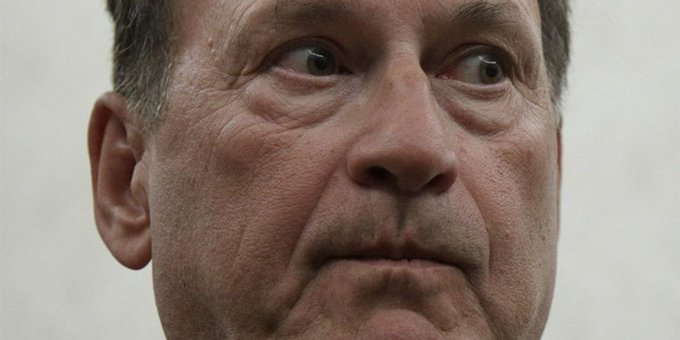
Recent reports have surfaced revealing allegations from neighbors of Supreme Court Justice Samuel Alito, claiming that his wife orchestrated a harassment campaign after the events of January 6. The accusations shed light on a contentious situation that has escalated tensions within their community.
According to statements from neighbors, Martha-Ann Alito embarked on a campaign of harassment targeting residents who displayed political signs or expressed opinions contrary to her beliefs. This alleged behavior has created a hostile environment, with neighbors expressing concern and frustration over the situation.
Neighbors recounted instances of intimidation, including confrontational encounters and verbal exchanges initiated by Mrs. Alito. Some residents have described feeling uncomfortable and fearful due to the ongoing harassment, leading to calls for intervention and resolution.
The allegations against Mrs. Alito come at a time of heightened political division and scrutiny following the Capitol riot on January 6. The incident has prompted discussions about the responsibilities and actions of public figures and their families in the wake of such events.
The situation underscores the complexities of navigating political discourse and differing viewpoints within communities, emphasizing the importance of respectful dialogue and peaceful coexistence. It also raises questions about the impact of public figures’ actions on their immediate surroundings and the broader societal implications of such behavior.