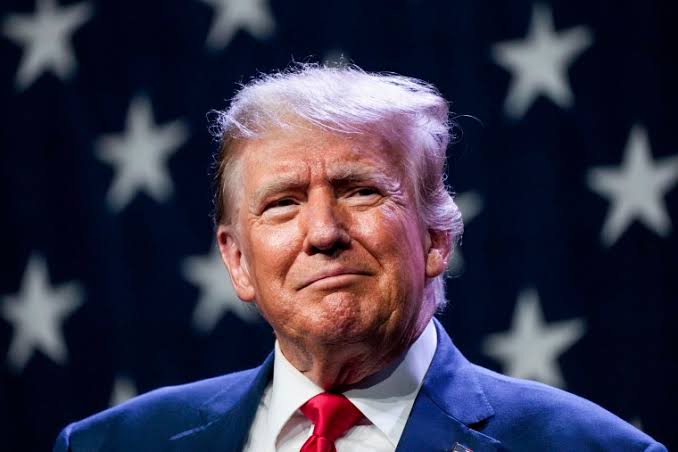
Presidential contender Nikki Haley unequivocally condemned former President Donald Trump’s comments to Black voters, describing them as “disgusting.” Trump made the remarks at the Black Conservative Federation Gala in Columbia, South Carolina, asserting that his four criminal indictments had endeared him to the Black community. Haley, speaking at a news conference, expressed strong criticism of Trump’s statement, aligning herself with others who found it offensive and inappropriate.
This condemnation from Haley, a prominent figure within the GOP, highlights the ongoing tension within the Republican Party, specifically regarding issues of race and identity. It reflects broader divisions within the party over its direction and messaging, as leaders grapple with how to navigate race and politics in contemporary America.
Trump’s assertion that his legal troubles resonate positively with Black voters indicates a troubling misunderstanding of the community’s concerns and priorities. Haley’s public rebuke of Trump signals a broader effort within the Republican Party to distance itself from inflammatory rhetoric and embrace a more inclusive approach to governance. By opposing Trump’s remarks, Haley aims to position herself as a moderate voice within the party, appealing to a broader spectrum of voters beyond its traditional base.
However, this move may expose Haley to potential backlash from Trump’s supporters, who remain loyal to the former president. Some view any dissent within the party as disloyal or traitorous, highlighting the challenges facing Republican leaders as they navigate the post-Trump landscape and seek to chart a new course for the party’s future.
Beyond the immediate fallout from Trump’s remarks, the incident raises broader questions about the role of race in American politics and how political leaders should engage with issues of racial justice and equality. Haley’s response underscores the importance of sensitivity and empathy in addressing these issues within the context of a diverse and multicultural society.
Ultimately, Haley’s condemnation of Trump’s remarks serves as a reminder of the ongoing struggle for racial equality and justice in America. It emphasizes the imperative for political leaders to confront and address these issues with honesty, integrity, and compassion as the country grapples with its legacy of racism and discrimination.