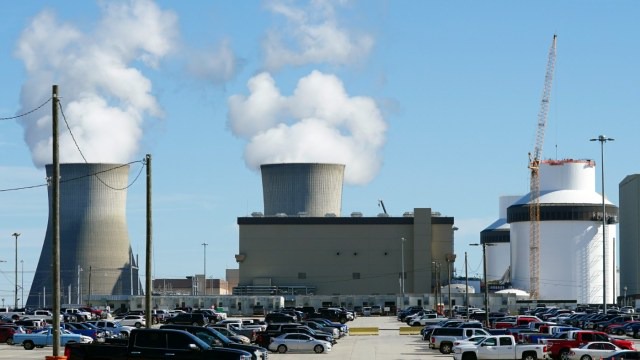
President Biden has signed into law a groundbreaking bipartisan bill aimed at bolstering the nation’s nuclear power capabilities, marking a significant advancement for America’s clean energy agenda. The legislation, approved on Tuesday, July 9, 2024, aims to expedite the licensing process for new nuclear reactors and reduce associated fees, pivotal steps towards expanding the nuclear power sector.
The bill received bipartisan support and was part of a broader legislative effort that included reauthorizing the U.S. Fire Administration and grant programs for firefighters, also signed into law alongside the nuclear provisions.
“This bipartisan law will strengthen our energy and national security, lower greenhouse gas emissions, and create thousands of new jobs, while ensuring the continued safety of this zero-emissions energy source,” stated Senator Tom Carper, chair of the Senate Environment and Public Works Committee, in a press release.
Despite its optimistic reception from supporters, the legislation has encountered criticism. Democratic Representative Rashida Tlaib from Michigan expressed concerns, citing potential safety implications and amendments affecting the Nuclear Regulatory Commission’s oversight role.
Nuclear power remains a contentious issue, with proponents highlighting its potential to reduce carbon emissions and combat climate change, while opponents stress risks related to safety, waste disposal, and environmental impact.

The Biden administration has not yet elaborated on the bill’s implications, with the White House declining immediate comment.
As the law takes effect, it is poised to shape future discussions on nuclear energy in the U.S., influencing regulatory frameworks and investment decisions amidst ongoing debates on climate change and energy policy.