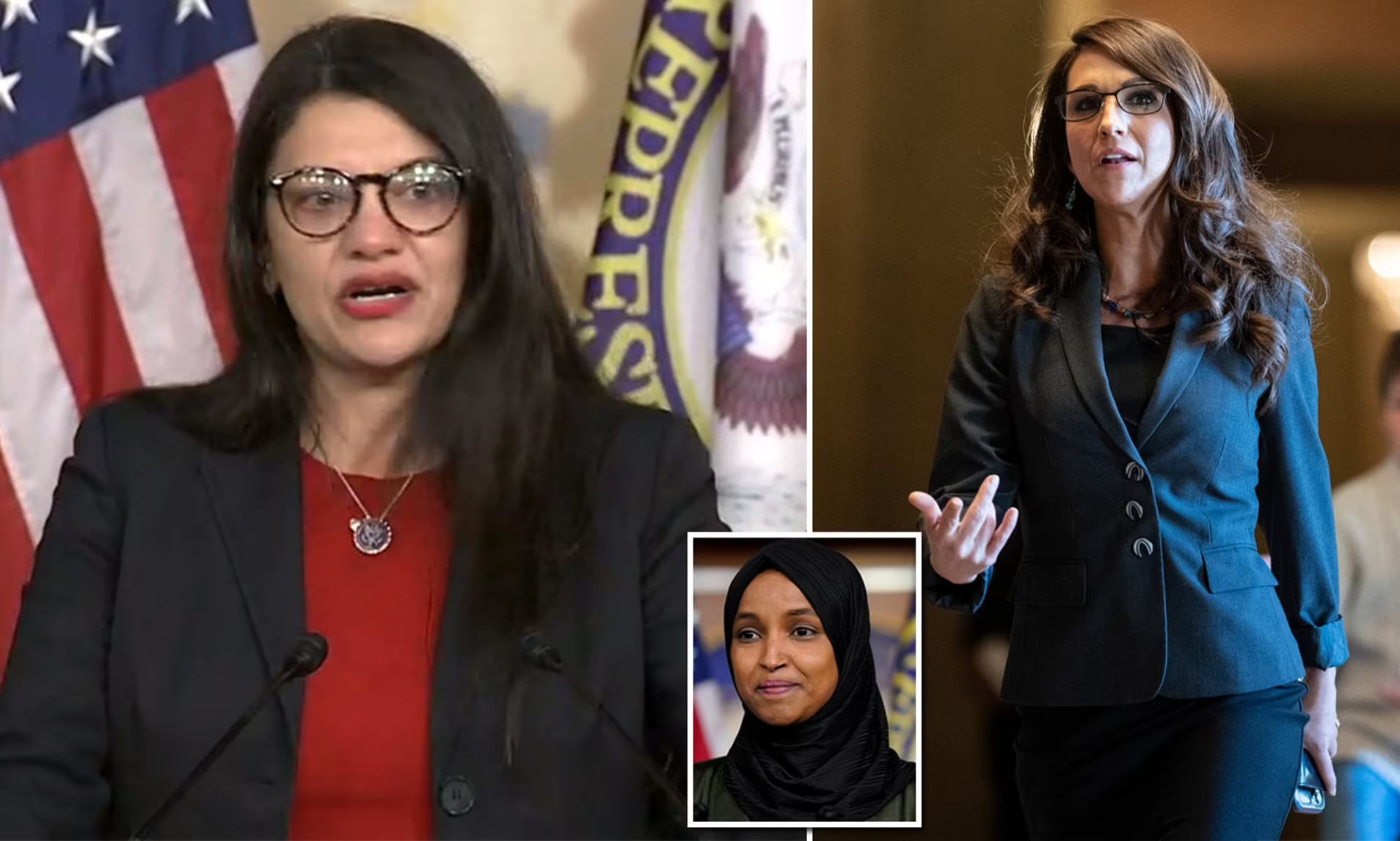
Rashida Tlaib, a prominent figure in American politics, has come under scrutiny for her refusal to condemn the alarming chant of “Death to America” by some of her constituents. This stance has sparked widespread concern, as it goes beyond mere issues of antisemitism and opposition to Israel, delving into deeper questions about the perception of the West and America itself.
Tlaib, known for her outspoken views and advocacy, has been a controversial figure in American politics. However, her silence on this matter has raised significant eyebrows and drawn criticism from various quarters. The chant of “Death to America” is not merely a slogan; it reflects a profound hostility towards the values and principles that America stands for.
The refusal to unequivocally denounce such rhetoric raises questions about where Tlaib stands on matters of national allegiance and loyalty. As an elected representative, she holds a position of influence and has a responsibility to uphold the values of inclusivity and unity. By failing to condemn the call for violence against America, Tlaib risks fueling division and animosity within society.
Furthermore, this incident highlights broader concerns about the perception of the West and America in certain circles. The chant of “Death to America” is emblematic of a deeper resentment towards Western ideals and values. It underscores the importance of fostering constructive dialogue and understanding to address underlying grievances and promote peaceful coexistence.
In today’s interconnected world, where words and actions can have far-reaching consequences, it is crucial for leaders to exercise caution and responsibility in their rhetoric. By refusing to condemn the call for “Death to America,” Tlaib has missed an opportunity to demonstrate leadership and bridge divides.
As this issue continues to unfold, it serves as a reminder of the challenges facing modern democracies in navigating complex issues of identity, loyalty, and national security. It underscores the importance of promoting dialogue and understanding to build a more inclusive and cohesive society.
In conclusion, Rashida Tlaib’s silence on the call for “Death to America” from her constituents raises legitimate concerns about her stance on matters of national allegiance and loyalty. Beyond the immediate implications for her political career, this incident highlights broader issues surrounding the perception of the West and America in today’s world. It serves as a call to action for leaders to prioritize unity and dialogue in addressing divisive rhetoric and promoting a more inclusive society.