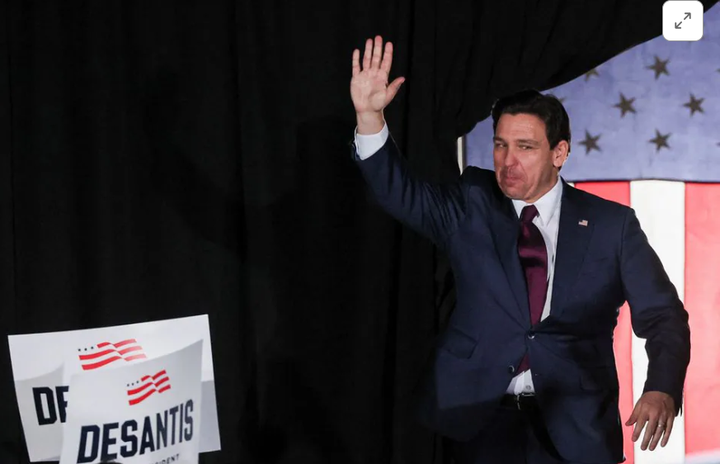
In a significant setback to Florida Governor and Republican presidential hopeful Ron DeSantis, his aspirations for a triumphant Republican primary race suffered a severe blow as he fell short in the Iowa caucuses on Monday, January 15, 2024, raising uncertainties about his path to victory.
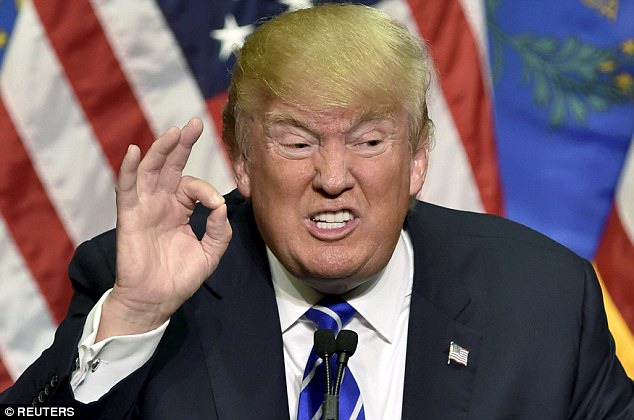
Despite an extensive investment of time and resources in Iowa, DeSantis concluded nearly 30 points behind former President Donald Trump, securing a narrow second-place finish, edging out former U.S. Ambassador to the UN Nikki Haley.
A year ago, DeSantis posed a formidable challenge to Trump’s dominance within the Republican Party, but his polling numbers have plummeted since then, particularly in crucial states where he concentrated his efforts, leaving him with limited options for a resurgence.
DeSantis now faces the upcoming primary contest in New Hampshire, where he has spent relatively little time in recent months and is currently polling a distant third behind Haley and Trump.
In South Carolina, another pivotal state in the nomination process, the governor trails both Trump and Haley by significant margins.
Analysts and sources close to DeSantis’ campaign have expressed concerns about his funding going forward. While no immediate cash crunch has been suggested, one source within the campaign indicated potential problems in financing the campaign.
Despite the challenges, some of DeSantis’ allies remain optimistic, and the governor himself pledged to continue the fight at an event in West Des Moines on Monday night.
Independent analysts acknowledged that while the Iowa results were not a success for DeSantis, they could have been worse, as recent polls had him finishing in third place.
Roy Bailey, one of DeSantis’ top fundraisers, reassured supporters that the campaign had enough funds to continue at least until Super Tuesday, featuring multiple Republican nominating contests in early March.
DeSantis, once seen as the Republican Party’s strongest candidate to move past Trump, secured around 21% support in Iowa, narrowly surpassing Haley’s 19% backing. However, Trump’s commanding performance, with the support of over 50% of caucus-goers, left no room for DeSantis or Haley to claim any form of victory.
The stakes were particularly high for DeSantis due to the peculiarities of his campaign strategy. He concentrated a significant portion of his efforts in Iowa, holding 154 campaign stops compared to just 32 in New Hampshire. In contrast, Haley focused more on New Hampshire, with 54 campaign stops, while visiting Iowa 77 times.
DeSantis and his team believed that Iowa’s conservative and religious population offered the best opportunity for a breakthrough. He tirelessly campaigned across all 99 counties and sought the endorsement of Iowa’s governor, Kim Reynolds.
While DeSantis’ team tried to temper expectations in Iowa, donors and those close to the governor privately acknowledged that he needed to outperform expectations to maintain momentum heading into New Hampshire.
However, the ultra-conservative, Trump-aligned brand that DeSantis believed would resonate with Iowa’s rural farmers and evangelicals has struggled to gain traction in New Hampshire, a state historically known for moderate Republicanism. DeSantis currently polls at 5.8% in New Hampshire, while Trump holds around 43% and Haley has the support of 30% of likely primary voters.