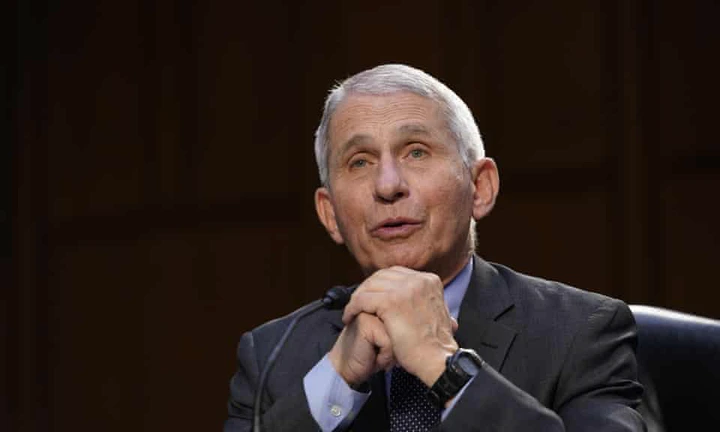
Senate Homeland Security and Government Affairs Committee hearing on June 18, there was a noticeable shift in the narrative regarding the origins of COVID-19. The spotlight moved away from domestic figures like Dr. Anthony Fauci and towards China, emphasizing the need for accountability regarding the virus’s emergence.
The session, dedicated to investigating the evidence on COVID-19’s origins, explored two primary hypotheses: one suggesting it originated from a wet market in Wuhan and the other proposing a potential leak from the Wuhan Institute of Virology, as reported by The Epoch Times on June 19.
A senator emphasized, “Whether it was from a wet market or the Wuhan lab, China’s to blame. Both those things were in China.” This statement underscores China’s geographical and political responsibility in the matter, regardless of the specific origin.
The senator argued that China should have taken extensive measures to prevent the virus’s global spread and should have been transparent about the outbreak’s details from the beginning. Advocating for international scrutiny and accountability, he insisted that China should have accepted responsibility and provided complete disclosure.
This hearing signifies a pivotal moment in the ongoing investigation into COVID-19’s origins, shifting the discourse from domestic controversies to international accountability. Initially, figures like Dr. Fauci faced scrutiny, particularly regarding funding research at the Wuhan Institute of Virology.
However, the Senate hearing highlighted a bipartisan acknowledgment that the origins of COVID-19 transcend domestic politics and are a global concern.
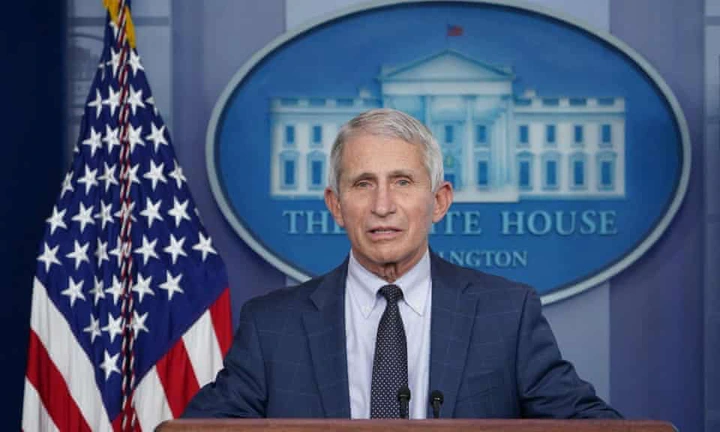
By emphasizing China’s responsibility, the committee aims to steer discussions towards international cooperation, transparency, and preparedness for future health crises. Despite China’s denial of a lab leak and its assertion that the virus likely originated from a Wuhan wet market, criticisms persist regarding its initial handling of the outbreak, including allegations of data suppression and limited international access.
This call for transparency aligns with demands from the World Health Organization (WHO) and other international bodies, urging China to provide raw data and samples from the outbreak’s early stages for an unbiased investigation.
The Senate hearing underscores the necessity of global collaboration in understanding the pandemic’s origins and preparing for future challenges. By holding all countries accountable and advocating for transparency, lawmakers aim to bolster global health security and readiness.