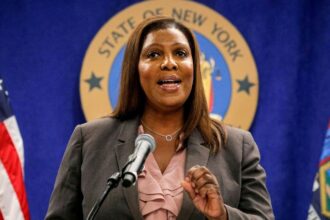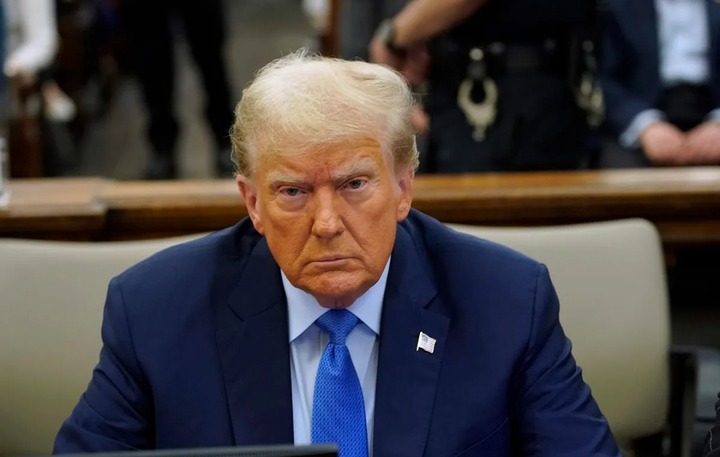
Significant turn of events, a recently disclosed audio recording from 2015 has dealt a blow to former President Donald Trump’s defense in his ongoing civil fraud trial in New York. The trial, led by New York Attorney General Letitia James, alleges that Trump inflated the size of his personal penthouse in Trump Tower to secure favorable loan terms from banks.
Despite attempting to distance himself from the inflated valuations, Trump placed blame on others within the Trump Organization, particularly pointing fingers at former CFO Allen Weisselberg. Trump asserted in court that he was not involved in the decision to triple the stated size of his penthouse from 10,996 square feet to 30,000 square feet in financial statements.
However, a recently obtained 2015 audio recording, as reported by Forbes, contradicts Trump’s claims. In the recording, Trump himself can be heard citing the exaggerated 30,000 square feet figure during a tour of his apartment in Trump Tower.
“I have three times three. So there’s like 11,000 feet on a floor. So I have three. So 33,000—and I have the roof,” Trump stated in the recording.
This revelation directly challenges Trump’s defense, suggesting that he was not only aware of the false square footage numbers but also complicit in exaggerating the size of his signature property.
The 2015 recording is not the sole evidence countering Trump’s claims. Previous court testimonies, including statements from Weisselberg, emphasized that Trump was actively involved in reviewing and approving his annual financial statements.
While Trump continues to shift blame and assert ignorance about the fraudulent numbers, mounting evidence indicates his direct involvement in inflating valuations to obtain better loan rates and reduce tax obligations.
The civil fraud trial, targeting Trump, his adult children Donald Jr. and Ivanka, and his company, seeks $250 million in penalties for an alleged decade-long scheme to defraud banks and tax authorities through false financial statements. Attorney General James contends that the financial statements exaggerated Trump’s wealth, leading to inflated property valuations.
The trial has witnessed Trump being fined $10,000 for contempt of court due to failure to submit subpoenaed documents. Additionally, the judge has ruled Trump liable for fraud after attempting to backtrack on an earlier agreement. The trial now delves into additional allegations, such as insurance fraud and falsifying business records, with the judge set to determine the outcome instead of a jury.