

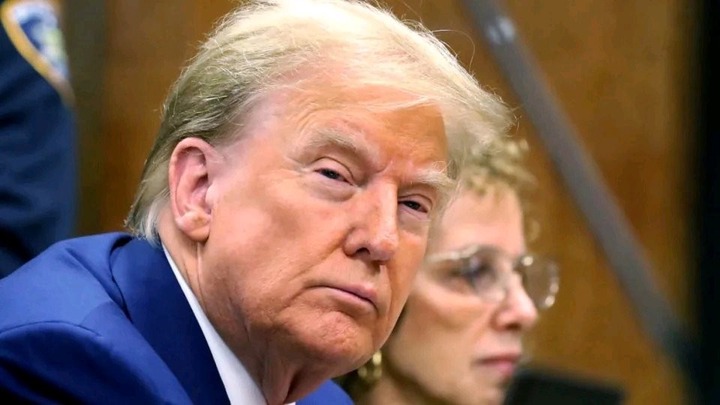
US Supreme Court recently plunged into a heated debate over whether former President Donald Trump should enjoy immunity from federal prosecution, particularly in light of special counsel Jack Smith’s case regarding alleged January 6 election interference.
As reported by Raw Story on Tuesday, April 30, Justice Brett M. Kavanaugh sparked controversy during oral arguments on April 25 by invoking President Gerald Ford’s pardon of Richard Nixon. Kavanaugh suggested that presidents might require some degree of insulation from prosecution, citing the controversial yet later vindicated Nixon pardon as a potential precedent.
Kavanaugh’s inquiry raised eyebrows, questioning whether Ford, by pardoning Nixon, might have contemplated shielding himself from investigation for obstruction of justice.
However, analyst Aaron Blake of The Washington Post challenges Kavanaugh’s reliance on the Nixon pardon as a suitable precedent. Blake argues that while Kavanaugh and his conservative peers may sympathize with Trump’s quest for presidential immunity, the Nixon pardon’s historical context does not firmly support this stance.

Despite the initial controversy surrounding the Nixon pardon and its perceived impact on Ford’s subsequent electoral defeat, public opinion has evolved over time. Gallup polling data reflects a shift from initial disapproval to eventual acceptance of the pardon.
However, recent polling indicates a more divided sentiment, suggesting that the Nixon pardon remains a contentious issue even today. Princeton University historian Julian Zelizer contends that the Nixon pardon established a troubling precedent of presidential impunity, discouraging legal accountability for elected officials.
Former US Rep. Elizabeth Holtzman (D-NY) echoed these concerns, criticizing the Nixon pardon as a damaging example of presidential impunity. She argued that allowing the legal process to proceed against Nixon might have dissuaded future presidents, including Trump, from believing they were immune from accountability.
The ongoing debate over presidential immunity, intertwined with historical examples like the Nixon pardon, underscores the complexity of the issue. While proponents argue for insulation to protect presidential decision-making, others emphasize the importance of accountability in upholding the integrity of the office.
The Supreme Court’s forthcoming decision in this case holds significant implications for the future of presidential accountability, shaping the boundaries of executive power and legal scrutiny.


