Former U.S. President Donald Trump is facing renewed criticism and accusations of being a “traitor” and “Putin’s puppet” following a blunder during a recent speech. Despite eventually acknowledging the fate of Russian opposition leader Alexei Navalny, Trump’s refusal to directly condemn Russian President Vladimir Putin, widely believed to be responsible for Navalny’s demise, has ignited controversy and raised questions about his approach to international relations and human rights.
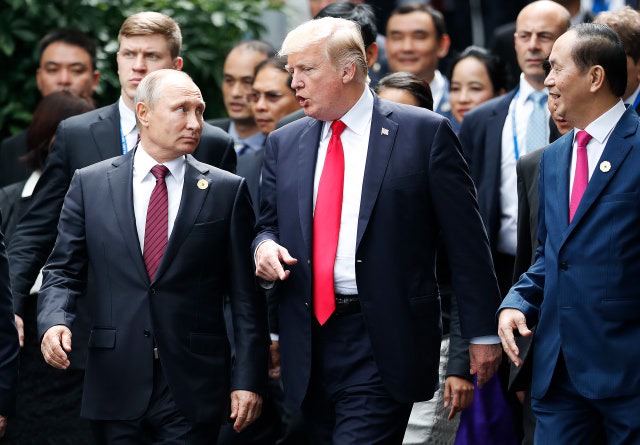
As reported by Raw Story on Monday, February 19, 2024, Trump’s history regarding Russia has been under scrutiny, marked by a reluctance to openly criticize Putin, even in the face of substantial evidence implicating Russia in various malicious activities, including interference in the 2016 U.S. presidential election.
In a press conference in Helsinki in 2018, Trump famously sided with Putin’s denial of Russian involvement in election meddling, causing widespread concern and speculation about his ties to Russia. Similarly, when Navalny was poisoned in 2020, Trump refrained from directly blaming Putin, contributing to the perception of a lack of resolve in confronting authoritarian regimes.
In the aftermath of Navalny’s death, Trump’s response has once again fallen short of expectations. Rather than unequivocally condemning Putin, Trump drew parallels between Navalny’s fate and his own legal battles, deflecting attention from Putin’s actions and redirecting focus towards domestic political grievances.
Critics have swiftly condemned Trump’s response, viewing it as an implicit endorsement of Putin’s authoritarian tactics and a departure from America’s moral leadership. Political commentator Bill Kristol characterized Trump as being “all in for Putin,” highlighting a stark departure from traditional bipartisan consensus on confronting Russian aggression.
Journalist Michelangelo Signorile criticized Trump’s comparison of himself to Navalny as an attempt to delegitimize legitimate criticism of his own actions while whitewashing Putin’s transgressions. By reframing Navalny’s tragic death for his own agenda, Trump is accused of diminishing the significance of Navalny’s struggle and undermining the global fight for democracy and human rights.
Political commentator Victor Shi asserted that Trump’s response aligns with Putin’s interests, sending a dangerous message of appeasement that emboldens authoritarian regimes worldwide.
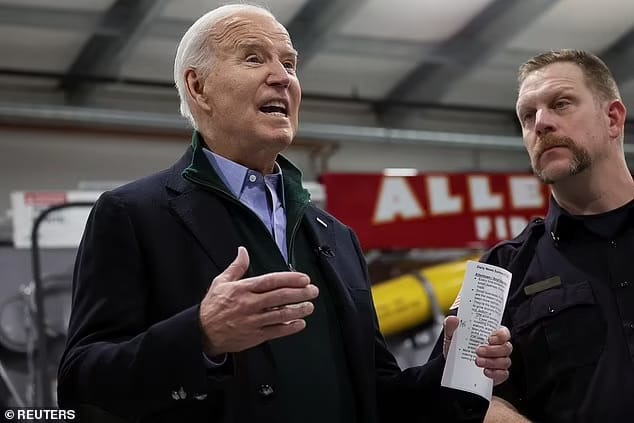
In contrast, the Biden administration’s swift condemnation of Navalny’s death highlights the importance of principled leadership in defending democratic values and holding human rights violators accountable. While Trump’s actions may have sown discord and confusion, they have also reignited the urgency of standing up to tyranny and injustice wherever they may arise.