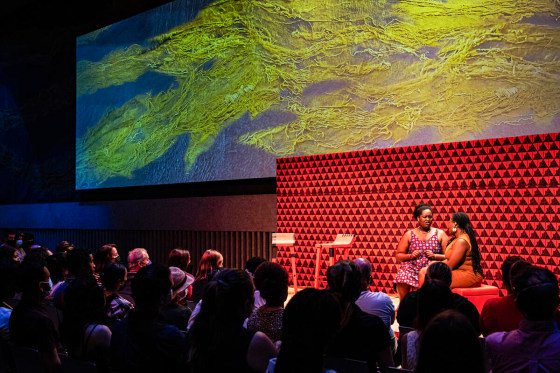
Celebrated LGBTQ theater festival is scrambling to stay afloat after the U.S. government pulled its funding, claiming the event no longer fits President Donald Trump’s cultural priorities. The Criminal Queerness Festival, which gives a platform to queer voices from countries where LGBTQ identities are censored or criminalized, suddenly lost 20% of its budget when the National Endowment for the Arts (NEA) revoked a previously approved $20,000 grant.
The surprise decision has pushed organizers into emergency mode. “It’s devastating and upsetting,” said Jess Ducey, co-chair of the National Queer Theater, the Brooklyn-based nonprofit behind the festival. The group is now turning to GoFundMe in a last-minute bid to save its June event, which includes plays set in Uganda, Indonesia, and Cuba.
The NEA’s email cited a shift in funding priorities that now include support for religious institutions, disaster recovery, military communities, and “making America healthy again.” LGBTQ-focused programs like Criminal Queerness, the agency said, “do not align with these priorities.”
The timing raises eyebrows. Just days earlier, President Trump’s proposed budget eliminated NEA funding altogether. Several senior agency officials resigned, and groups like the National Queer Theater—already critical of recent grant restrictions—are among the first to feel the impact. The theater recently joined an ACLU-led lawsuit over a now-removed clause that required grant applicants to certify they wouldn’t promote “gender ideology,” a term Trump used in an executive order reaffirming a strict male-female gender binary.
Even though that specific rule was retracted, the NEA still reserves the right to revoke grants for projects that appear to challenge it—leaving queer-led initiatives vulnerable.
For the artists, the consequences are immediate. “We’ve already hired our production manager and started casting,” Ducey said. Without replacement funds, the group may need to cut corners—delaying payments to artists or downsizing productions. Worse, the strain may siphon resources from Staging Pride, their free after-school theater program for LGBTQ youth.
“If you care about the arts, if you care about representation, this is about more than a grant,” Ducey added. “This is about who gets to tell their story—and who gets erased.”