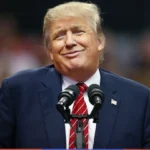
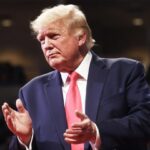
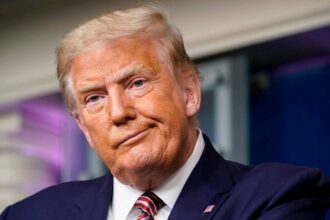
Former President Donald Trump, in a Truth Social post on December 14, accused prosecutor Jack Smith, appointed by President Joe Biden, of attempting to interfere with the 2024 presidential election. The inflammatory comments suggested that Smith is undermining the democratic process and casting doubt on the upcoming electoral contest.
In the social media statement, Trump labeled Smith a “nut job” prosecutor with a history of losses due to going “too far.” He claimed that Smith is rushing to the Supreme Court on the matter of Presidential Immunity, a fundamental concept in American governance that, according to Trump, should be automatic.
Trump’s remarks reflect a continued narrative of skepticism and mistrust in the electoral process, a sentiment that has persisted since his defeat in the 2020 presidential election. The accusations against Smith, lacking concrete evidence, add fuel to the already contentious political climate.
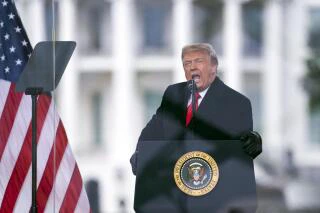
It’s important to note that Trump’s claims on Truth Social lack specific details or evidence supporting the allegations against Smith. The former president did not elaborate on the supposed interference tactics or provide any context for the accusations.
The post serves as another example of the increasing use of social media platforms to disseminate political messages, often without the traditional fact-checking scrutiny applied to more conventional news outlets.
As of now, the Biden administration has not responded to Trump’s accusations, and the potential impact on the political landscape remains uncertain. The allegations of election interference highlight the ongoing challenges in fostering trust and confidence in the democratic process, with both sides of the political spectrum clashing over the integrity of elections.
As the 2024 presidential election approaches, increased scrutiny and debate over electoral practices can be expected, fueled by statements from influential figures on social media platforms. The evolving role of platforms like Truth Social in shaping political discourse raises questions about their impact on the democratic process and the potential consequences of unchecked misinformation.