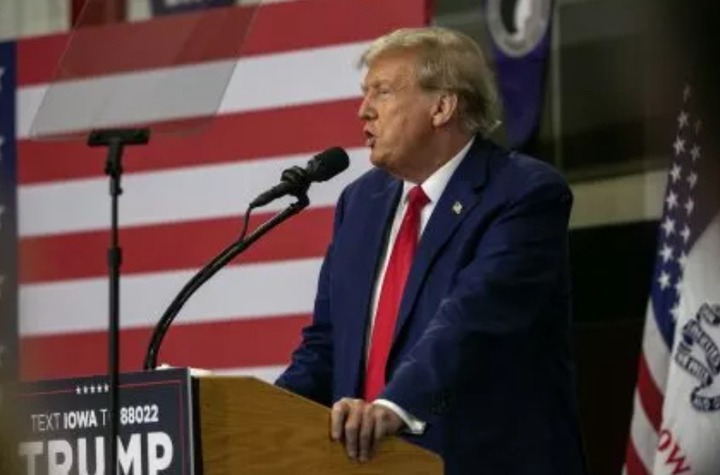
A significant shift is occurring within the Republican Party as a notable faction of former Trump supporters turns against him. Republican Voters Against Trump (RVAT) has unveiled a $3.5 million ad campaign targeting key swing states—Wisconsin, Michigan, and Pennsylvania. This campaign is designed to challenge Trump’s position and bolster support for Vice President Kamala Harris in the upcoming presidential election.
According to NBC News, the campaign features powerful testimonials from erstwhile Trump supporters who are now backing Harris. These personal accounts of disillusionment with Trump’s leadership are expected to have a strong impact in these crucial states, where Trump previously won in 2016 but lost in 2020.
The RVAT’s choice of Wisconsin, Michigan, and Pennsylvania is strategic. These states were critical to Trump’s 2016 victory and his 2020 defeat, making them focal points in this new ad push. The campaign seeks to sway undecided voters and strengthen Harris’s position by showcasing dissatisfaction with Trump’s policies and actions.
Discontent within the GOP ranks has been growing, with some members feeling Trump’s controversial style has overshadowed traditional party values. This ad campaign is set to amplify these sentiments, presenting Harris as a more appealing alternative.
Vice President Harris has embraced this unexpected support, using it to underscore her commitment to unity and bridging political divides. Her recent speeches have focused on these themes, aiming to appeal to a diverse range of voters.
The substantial financial backing and emotional testimonies in the RVAT campaign could prove pivotal for Harris’s strategy. For Trump, this development poses a serious challenge. The erosion of support from his previous backers may complicate his bid to reclaim the presidency.
As the 2024 election approaches, the impact of these shifting political allegiances will become increasingly clear. The RVAT campaign illustrates the evolving dynamics within American politics and could significantly influence the trajectory of both the Republican Party and the broader electoral process.