You can’t call it a “floating island of garbage” and expect to escape criticism.
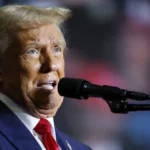
Recent events have brought Donald Trump back into the spotlight, particularly due to his inflammatory remarks about Puerto Rico. During a rally at Madison Square Garden in New York, Trump and his supporters shared a series of offensive jokes and comments that have angered many, particularly those within the Puerto Rican community.
Offensive Remarks and Their Impact
The rally, filled with outdated and harmful stereotypes, included remarks that were not only disrespectful but also deeply troubling. One notable comment came from Tony Hinchcliffe, a comedian chosen by the Trump campaign, who derogatorily referred to Puerto Rico as a “floating island of garbage.” Such statements perpetuate negative stereotypes about Puerto Ricans and undermine the struggles faced by the island’s residents.
As a Nuyorican—what many from the Puerto Rican diaspora living in New York affectionately call themselves—these comments resonate deeply. The identity of Puerto Ricans is rich and diverse, yet remarks like Hinchcliffe’s reduce our culture to harmful caricatures. Many in the community feel these comments reflect a broader pattern of disrespect from Trump and his allies.
A Contrast in Leadership
Interestingly, while Trump’s rally was unfolding, Vice President Kamala Harris was simultaneously promoting her plans for Puerto Rico. In a video released on the same day, she highlighted her commitment to addressing the challenges faced by the island, which has long been affected by natural disasters and economic struggles. Harris’s outreach included a visit to a Puerto Rican restaurant in Philadelphia, emphasizing the importance of understanding and supporting the Puerto Rican community.
The Consequences of Insults
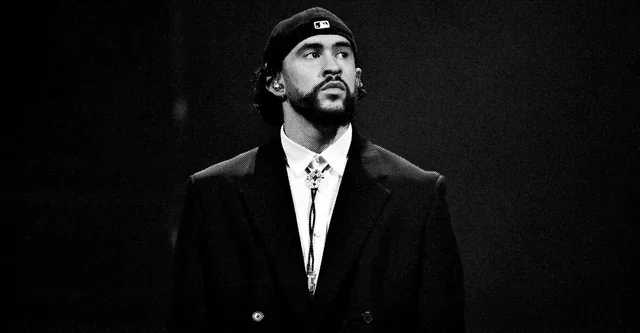
Trump’s derogatory remarks may have immediate repercussions, particularly among Puerto Rican voters. With the 2024 election approaching, the response from the Puerto Rican diaspora will be crucial. Bad Bunny, the popular musician, is actively encouraging Puerto Ricans to engage in the electoral process, specifically urging them to support Harris. Although Puerto Ricans on the island cannot vote in federal elections, their voices carry weight through their families and communities in the mainland U.S.
In summary, Trump’s recent comments about Puerto Rico highlight a troubling trend of insensitivity towards marginalized communities. As the election approaches, it remains to be seen how these remarks will impact voter sentiment among Puerto Ricans and their allies. The contrast between Trump’s divisive rhetoric and Harris’s inclusive approach underscores the importance of respectful dialogue in politics, especially regarding communities that have faced significant challenges.
Moving Forward
In light of these events, it’s essential for political leaders to recognize the power of their words. Insulting remarks may energize a base in the short term, but they can also alienate vital voter demographics. The Puerto Rican community deserves respect and acknowledgment, not derogatory jokes that demean their culture.