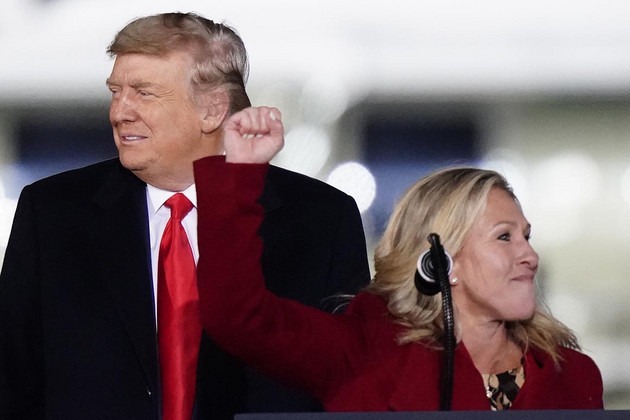
Former President Donald Trump’s recent announcement of a controversial executive order has ignited a significant and unforeseen backlash from across the political spectrum. This proposal, revealed on Monday, August 26, 2024, has stirred intense debate among critics and supporters alike.
In a post on X (formerly known as Twitter), Trump declared his intention to cut off federal funds currently allocated by the Biden-Harris administration for the shelter and transport of illegal immigrants. He promised that, if re-elected, he would redirect these funds to support homeless American veterans.
Trump’s announcement read: “TRUMP: ‘When I take office, I will sign an executive order to stop every penny Kamala Harris has been spending on the shelter and transport of illegal aliens—and we will redirect that money to provide shelter and treatment for homeless American veterans.’”
This bold pledge has sparked a firestorm of reactions. Trump’s supporters view the announcement as a patriotic measure to prioritize American citizens, particularly veterans who have struggled with inadequate support. They argue that the current administration’s focus on undocumented immigrants is misplaced and that veterans should come first.
However, the announcement has also faced sharp criticism. Immigrant rights groups, veterans’ organizations, and even some Republican lawmakers have voiced concerns about the proposal. Critics argue that Trump’s plan oversimplifies complex issues and that reallocating funds will not address the root causes of homelessness or illegal immigration. They advocate for comprehensive solutions that address both challenges effectively.
Maria Gutierrez, executive director of the National Immigration Law Center, condemned the proposal, accusing Trump of using vulnerable populations as political tools. “Trump’s announcement is a clear attempt to demonize immigrants and create false divisions among Americans,” she said. “We need policies that uplift all people in this country, not ones that pit communities against each other.”
Veterans’ organizations are similarly divided. While some appreciate Trump’s focus on veteran homelessness, others are skeptical about the proposal’s sincerity and effectiveness. John Green, a spokesperson for the American Legion, expressed cautious support but stressed the need for genuine solutions. “We welcome any effort to address the crisis of veteran homelessness,” Green said. “But we are skeptical of any plan that fails to address the root causes of both homelessness and illegal immigration.”
Even within the Republican Party, there are reservations. Senator Lisa Murkowski (R-AK), known for her independent stance, expressed concerns that the executive order could create unnecessary divisions and fail to address the complexities of immigration and veterans’ issues. “We must find a way to address these important issues without resorting to policies that could harm vulnerable populations and further polarize our country,” Murkowski said.
As the debate over Trump’s proposed executive order continues, it is clear that the announcement has deeply resonated within the national conversation on immigration, veterans’ rights, and government responsibilities. The mixed reactions from both supporters and critics indicate that Trump’s plan could have significant implications for his campaign and the broader political landscape.
Trump, undeterred by the backlash, reaffirmed his commitment to the executive order in a follow-up post on X. He emphasized that his plan is about “putting America first—every single time” and insisted it is a necessary step to “restore order and fairness” in the country.
With the 2024 election campaign heating up, Trump’s announcement has injected additional controversy and unpredictability into an already tumultuous race. Whether this proposal will rally his base or alienate potential voters remains to be seen, but its impact on the political landscape is undeniable.