An unfolding legal battle, attorneys representing former President Donald Trump have signaled their intention to assert presidential immunity in his upcoming criminal trial in Florida. Trump faces allegations of mishandling confidential and classified documents from his time in office.
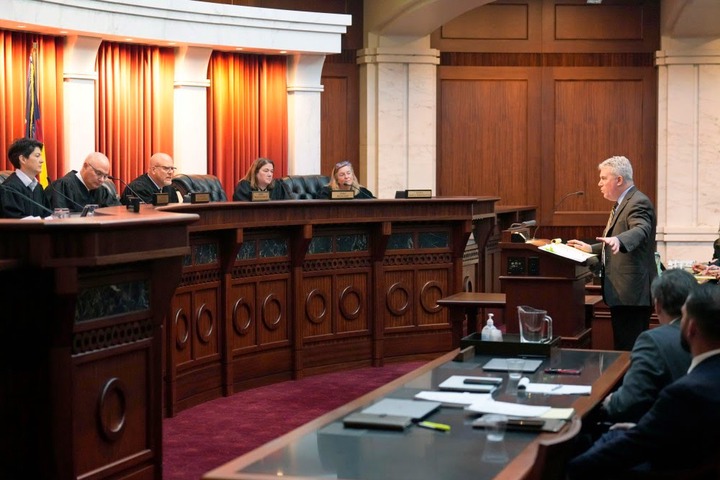
This strategy follows a setback earlier in the day when an appeals court dismissed a similar argument in another case. Initially, Trump attempted to sidestep prosecution in a District of Columbia case related to alleged interference in the 2020 election by citing immunity stemming from his presidency during the events, including those of January 6.
According to a report by Raw Story on February 6, Trump’s legal team, including national security lawyer Bradley Moss, incorporated this immunity assertion into their filing for the documents case at Mar-a-Lago.
However, legal analysts anticipate intense scrutiny of Trump’s bid for presidential immunity. The crux of the argument revolves around whether a former president can claim immunity for actions taken while in office, particularly those under criminal investigation.
Experts note that while sitting presidents enjoy certain protections from civil and criminal proceedings, the extension of these privileges to former presidents is less clear-cut. The issue of presidential immunity has been a longstanding point of contention, with landmark Supreme Court cases like United States v. Nixon and Clinton v. Jones shaping its parameters.
Given the gravity of the allegations against Trump, which involve mishandling classified information with potential national security implications, any attempt to shield himself through claims of presidential immunity is poised to face rigorous legal scrutiny.
The legal maneuvering in Trump’s criminal trials reflects broader tensions between executive power and accountability. The question of whether a former president can be held criminally responsible for actions during their tenure raises intricate constitutional and legal questions, underscoring the imperative of upholding the rule of law and ensuring due process and judicial oversight for all individuals, regardless of their past positions.