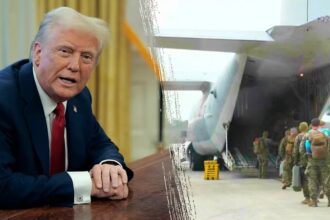
Secret Service has reportedly urged the Trump campaign to reconsider safety protocols surrounding public events, resulting in a shift away from large outdoor rallies.
The Butler Incident: A Turning Point
On July 13, during a rally in Butler, Pennsylvania, chaos erupted when a shooter attempted to assassinate Donald Trump. This alarming incident highlighted vulnerabilities in security measures at outdoor events. Although Trump emerged unharmed, the event significantly impacted his campaign’s approach to public appearances.
Secret Service Intervention
According to The Washington Post, Secret Service agents conveyed their concerns directly to Trump campaign advisers post-Butler. Their primary advice has been to avoid large outdoor rallies due to heightened security risks and challenges posed by expansive, open venues. This advisory has prompted the campaign to seek alternative venues, such as indoor arenas and large enclosed spaces, which offer more controlled security environments.
Strategic Shift: Indoor Venues and Safety Measures
In response to the Secret Service’s counsel, the Trump campaign is now focusing on organizing events in indoor settings. Basketball arenas and other sizable indoor facilities are being considered to host future rallies and gatherings. This shift addresses immediate security concerns and aligns with efforts to ensure the safety of attendees, campaign staff, and the former president.
Political and Public Reaction
The repercussions of the Butler incident and the Secret Service advisory are reverberating across political circles. Supporters and critics alike are weighing in on the implications of moving away from traditional outdoor rallies. The decision to pivot towards indoor venues reflects a pragmatic response to evolving security threats but also signals a departure from the high-energy, open-air spectacles that have characterized Trump’s campaign style.
Operational Challenges and Adjustments
Transitioning to indoor venues presents its own set of logistical and operational challenges. Unlike expansive outdoor spaces, indoor arenas require meticulous planning for crowd management, ingress, and egress, as well as enhanced security measures to prevent any potential security breaches. The campaign’s ability to effectively navigate these complexities will be critical in maintaining momentum and ensuring the success of future events.
Future Outlook and Contingency Planning
Looking ahead, the Trump campaign’s recalibration of its event strategy underscores the unpredictable nature of political campaigning today. As security threats evolve and public safety concerns remain paramount, campaigns must remain adaptable and responsive to mitigate risks effectively. The decision to prioritize indoor venues reflects a proactive stance aimed at safeguarding both participants and the broader public interest.
The aftermath of the Butler shooting has prompted significant introspection and strategic adjustments within the Trump campaign. By heeding the advice of the Secret Service and opting for indoor venues over traditional outdoor rallies, the campaign is navigating a delicate balance between accessibility and security. This shift reshapes the dynamics of Trump’s public engagements and sets a precedent for future campaign events amidst heightened security challenges.
As the campaign progresses, stakeholders will continue to monitor how these adjustments impact outreach, engagement, and the overall electoral strategy. The evolving response to security threats underscores the imperative of adaptive leadership and comprehensive risk management in contemporary political campaigns.