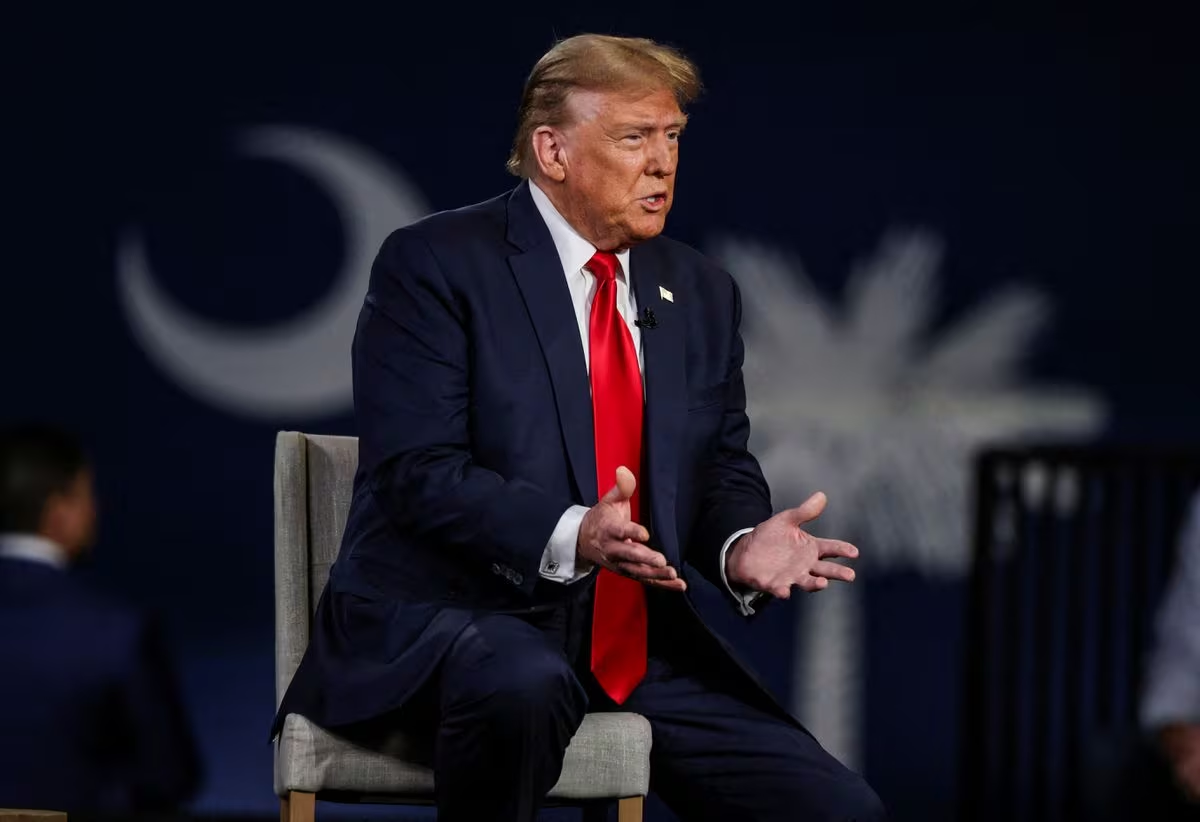
Former President Donald Trump is drawing criticism for coopting the legacy of Alexey Navalny, a Russian opposition figure who recently died in a Russian penal colony. Despite global condemnation of Russian President Vladimir Putin’s role in Navalny’s death, Trump refrained from directly condemning Putin during a Fox News town hall on Tuesday.
While offering a tempered tribute to Navalny, Trump returned to his own legal issues, suggesting a false equivalence between his legal troubles and Navalny’s death. He claimed to be a victim of political persecution, comparing himself to Navalny and asserting that the United States is turning into a Communist country.
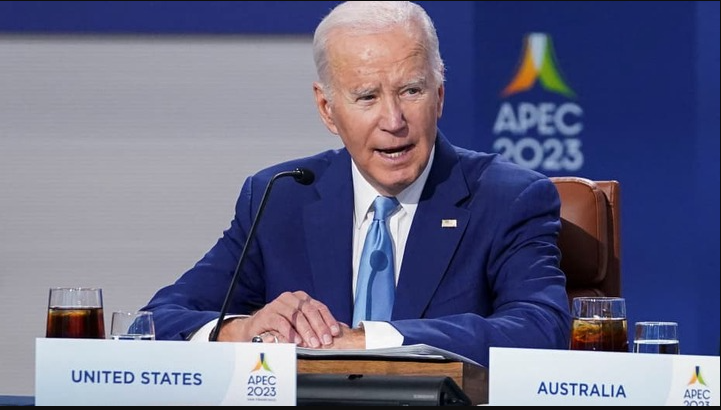
In response to a recent $355 million civil fraud judgment against him, Trump stated, “It is a form of Navalny, it is a form of communism or fascism.” President Joe Biden criticized Trump’s refusal to condemn Putin’s role in Navalny’s death, calling it outrageous.
However, the attempt to draw parallels between Trump and Navalny faces significant challenges. Navalny returned to Russia despite surviving a poisoning attempt, while Trump enjoys constitutional guarantees, including the presumption of innocence, the right to a fair trial, and political freedoms.
Trump’s authoritarian tendencies and his request for absolute presidential immunity align more with Putin’s model than Navalny’s fight for democracy. Throughout his presidency, Trump displayed a lenient attitude towards Putin, even siding with Russia’s denials of election interference.
The timing of Trump’s remarks adds complexity to U.S.-Russia relations, as Biden faces challenges in garnering support for a $60 billion arms package for Ukraine, which Trump supporters in Congress have resisted. Biden condemned Trump’s recent statement encouraging Russia to invade NATO partners and is preparing new sanctions following Navalny’s death.
Biden aims to use Trump’s attempt to equate himself with Navalny as part of a broader strategy to portray his predecessor as unfit for office. As tensions with Russia escalate and the specter of Trump’s return looms, U.S. foreign policy, particularly regarding Ukraine, becomes a central issue in the lead-up to the 2024 election.