

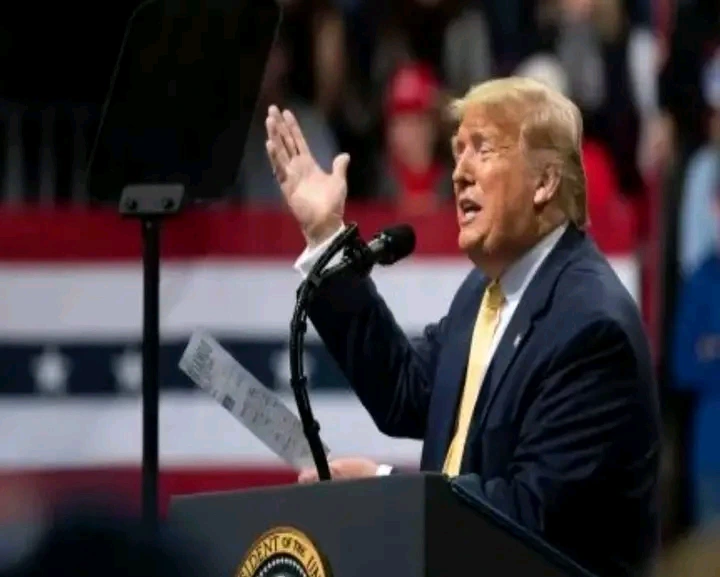
Former President Donald Trump has asserted the necessity of total immunity from prosecution for presidents, claiming that without it, they would face “years of trauma.” In a statement posted on Truth Social on Thursday, January 18, Trump argued that such immunity is crucial for the effective functioning of a U.S. president. He stressed that any mistake, even if well-intended, could lead to almost certain indictment by the opposing party at the end of their term. Trump emphasized the need for clear and unequivocal protection against legal action for both sitting and former presidents.
Drawing parallels between the president and a police officer, Trump asserted that, like law enforcement officials, presidents should not be impeded from executing their duties in the interest of the nation, even if some actions may be controversial. He metaphorically suggested that there are instances where one must “just live with ‘great but slightly imperfect.'” This statement follows a recent court hearing where Trump’s attorney, John Sauer, presented a similar case before a three-judge panel of the D.C. Circuit Court of Appeals, seeking to dismiss federal charges related to election interference.
During the hearing, skepticism was expressed by the judges regarding the argument that presidents could only be prosecuted if they had already been impeached and convicted by the Senate. This legal maneuvering contributes to the broader debate on the extent of legal immunity afforded to sitting and former presidents for actions taken during their time in office.
Critics contend that granting total immunity could undermine principles of accountability and justice, allowing presidents to act without fear of legal consequences. On the other hand, supporters argue that such immunity is necessary to prevent politically motivated prosecutions post-presidency. Trump’s bold assertion, conveyed through the influential platform of Truth Social, reignites discussions on the delicate balance between executive power and legal accountability in the United States. As legal proceedings continue, the nation awaits further clarity on the extent to which a president can be held legally responsible for their actions while in office.


