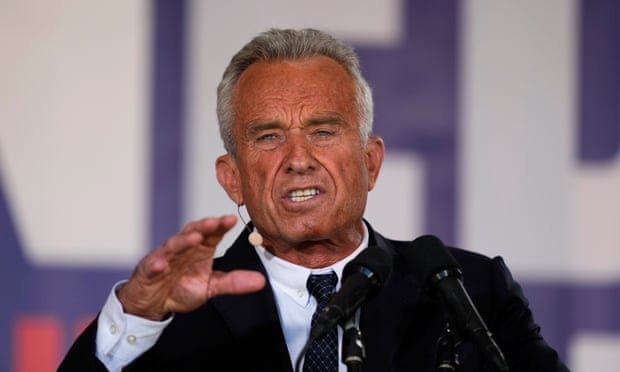
Robert F. Kennedy Jr.’s latest campaign move has sent shockwaves through both supporters and critics alike. In a 30-minute promotional video for his independent presidential bid, Kennedy takes an unprecedented approach that has both intrigued and bewildered viewers from across the political spectrum.
The video kicks off with a bang as Kennedy himself reads out scathing critiques of his own character, reminiscent of Jimmy Kimmel’s infamous “Mean Tweets” segment. This daring move immediately captures attention, setting a tone of transparency and self-awareness rarely seen in political campaigns.
Rather than brushing off the criticisms, Kennedy embraces them, acknowledging their validity and even expressing agreement with some of the sentiments raised. This unorthodox tactic positions him as a candidate willing to confront doubts head-on, a trait that could resonate with voters tired of traditional political spin.
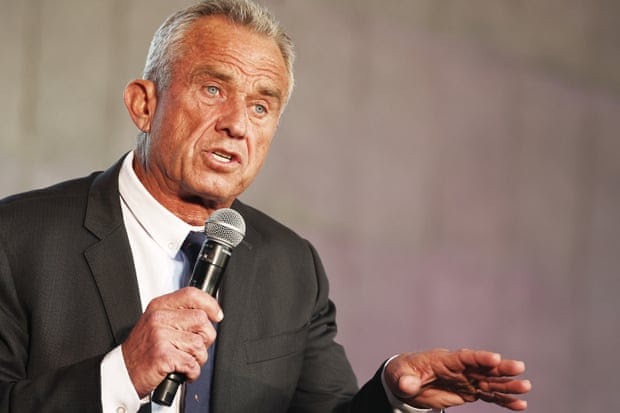
However, the decision to prominently feature harsh criticisms of himself raises questions about the effectiveness of this strategy. While it may humanize Kennedy and make him more relatable to some, it also risks reinforcing negative perceptions and alienating potential supporters.
The inclusion of actor Woody Harrelson in the video adds another layer of intrigue, with his narration attempting to redefine Kennedy’s image as an environmentalist crusader fighting against corporate interests. Drawing parallels to iconic activist Erin Brockovich, the video suggests that Kennedy’s campaign is centered on issues of environmental justice and corporate accountability.
Yet, controversy has dogged Kennedy’s campaign from the start. The initial blocking of links to his promotional video on social media platforms like Facebook and Instagram sparked accusations of censorship, highlighting the challenges of navigating the digital landscape as a political outsider.
Kennedy’s decision to run as an independent candidate further complicates matters, particularly with his own family endorsing President Joe Biden and environmentalist colleagues distancing themselves from his campaign. The ad from the Natural Resources Defense Council condemning Kennedy’s alleged promotion of anti-vaccination conspiracy theories underscores the divisions within the environmentalist community and broader political sphere.
In the end, RFK Jr.’s bold campaign opener has succeeded in grabbing attention, but whether it will translate into electoral success remains to be seen. As the presidential race heats up, Kennedy faces an uphill battle in convincing voters of his credibility and vision for the future.