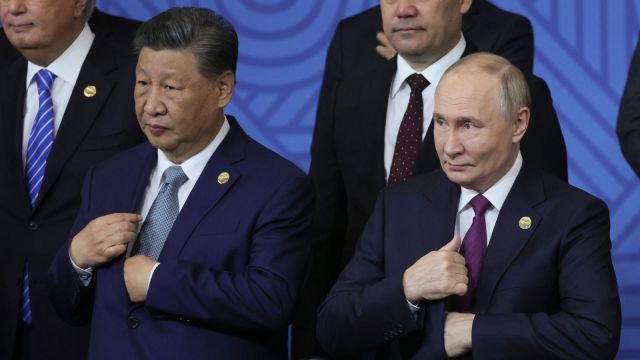
Chinese President Xi Jinping is set to visit Moscow from May 7 to 10, 2025, to attend Russia’s Victory Day celebrations on May 9, marking the 80th anniversary of the Soviet Union’s triumph over Nazi Germany. This visit underscores the strengthening alliance between China and Russia, especially amid ongoing global tensions.
During his stay, Xi will engage in talks with Russian President Vladimir Putin, focusing on enhancing their comprehensive strategic partnership. The two leaders are expected to sign several bilateral agreements aimed at deepening cooperation in various sectors, including economic, cultural, and technological fields. This visit marks Xi’s third trip to Russia since the onset of the Ukraine conflict in 2022, highlighting the growing ties between the two nations.
The Victory Day parade in Moscow’s Red Square is a significant event for Russia, commemorating the end of World War II and honoring the sacrifices made. This year’s celebration is particularly notable, with multiple foreign dignitaries, including leaders from Brazil, Serbia, and Slovakia, expected to attend.
However, the festivities occur against the backdrop of the ongoing conflict in Ukraine. Russian President Putin has proposed a three-day ceasefire around the May 9 parade, but Ukrainian President Volodymyr Zelenskyy has countered with a call for a 30-day ceasefire, a suggestion already dismissed by Putin.
China’s involvement in the celebrations and its deepening ties with Russia have drawn criticism from Ukraine, which accuses China of supplying arms and gunpowder to Russia. Despite these allegations, China maintains a stance of neutrality, emphasizing its commitment to peace and stability.
The upcoming visit also aligns with the China-Russia Years of Culture, designated for 2024 and 2025, aiming to strengthen cultural exchanges and mutual understanding between the two nations. This initiative includes various cultural activities and events, fostering closer ties at both governmental and grassroots levels.
In addition to cultural cooperation, economic ties between China and Russia have seen significant growth. In 2023, bilateral trade reached a record $240 billion, with both countries working to align the Eurasian Economic Union and the Belt and Road Initiative. This collaboration aims to enhance connectivity and economic development across the region.
As Xi Jinping prepares for his visit to Moscow, the world watches closely, recognizing the geopolitical implications of this strengthened alliance. The visit not only commemorates a historical victory but also signals a continued partnership between China and Russia in navigating the complexities of the current global landscape.