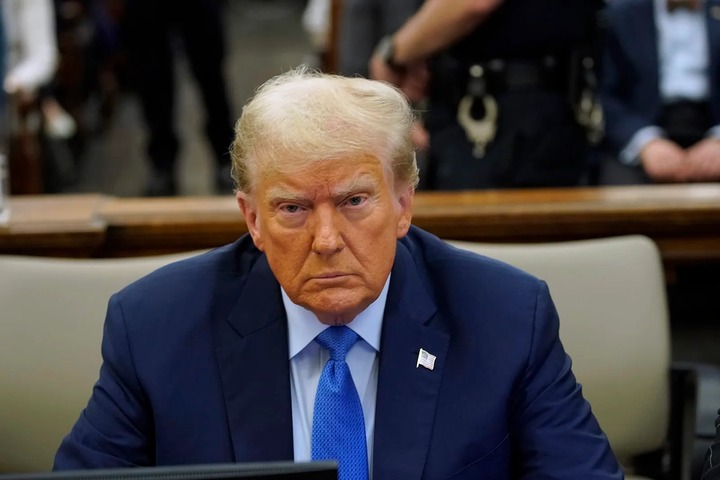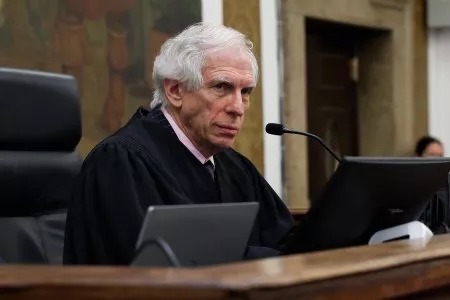
Judge Arthur Engoron’s unexpected decision during the Trump Organization civil fraud trial has sparked criticism and controversy. Legal analyst Joyce Vance, a former federal prosecutor, expressed concern over the judge’s perceived leniency towards the former president, Donald Trump.
The trial, initiated by New York Attorney General Letitia James in 2022, alleges a conspiracy involving Trump and top executives at The Trump Organization to inflate Trump’s net worth on financial statements for financial gain. Despite facing a potential penalty of $370 million plus interest, Trump vehemently denies any wrongdoing, dismissing the case as politically motivated, and positioning himself as the current GOP frontrunner for the 2024 presidential nomination.
During closing arguments on January 11, 2024, a notable point of contention arose when Trump sought to make his own closing arguments—a move considered unusual in a civil trial. Judge Engoron denied the request, citing concerns about the former president potentially turning the opportunity into a campaign speech or introducing irrelevant matters and new lines of evidence. However, Engoron allowed Trump to deliver a six-minute diatribe attacking the judge and Attorney General James.
Joyce Vance, in her Civil Discourse blog, accused Judge Engoron of “bending the rules” and criticized the special treatment afforded to Trump. She argued for equal treatment, asserting that Trump, like any other individual, should be held accountable and questioned under oath on the witness stand. Vance emphasized that such leniency only fueled Trump’s complaints about being treated unfairly.
Engoron had previously ruled that Trump committed fraud by misrepresenting property values in financial statements, and the recent proceedings aimed to determine the magnitude of the penalty Trump would face. Potential consequences include a ban on doing business in New York, loss of control over his properties, or a significant financial fine.
Despite the trial’s focus on financial misconduct, Trump’s combative approach in the courtroom, including attacks on the judge and Attorney General James, has drawn attention. Legal experts argue that this behavior may have long-term consequences beyond the current trial.
Vance urged the courts to cease providing special treatment to Trump and to treat him like any other individual facing legal proceedings. She emphasized the courts’ responsibility to deliver justice without fear of Trump’s claims of foul play.
As the trial unfolds, with Engoron aiming to make a final decision by January 31, it remains to be seen how these criticisms of leniency will impact the overall proceedings and potential future legal actions against the former president. The decision to allow Trump’s lengthy tirade, despite prior restrictions, has fueled debates about the boundaries between a fair trial and the potential exploitation of legal proceedings for political purposes. The trial’s conclusion looms, leaving the impact of these dynamics on public perception and legal precedent a subject of speculation among legal observers.