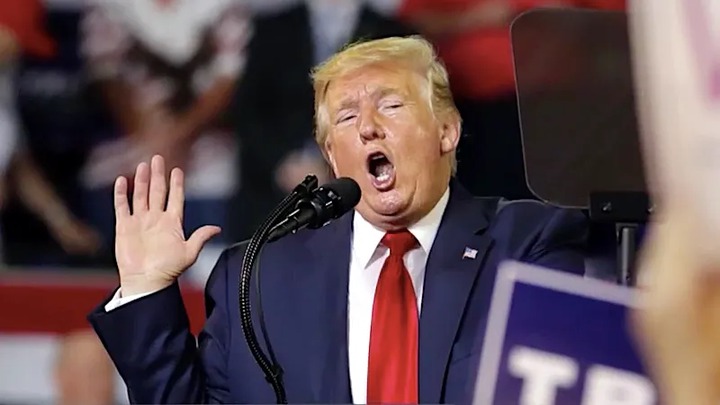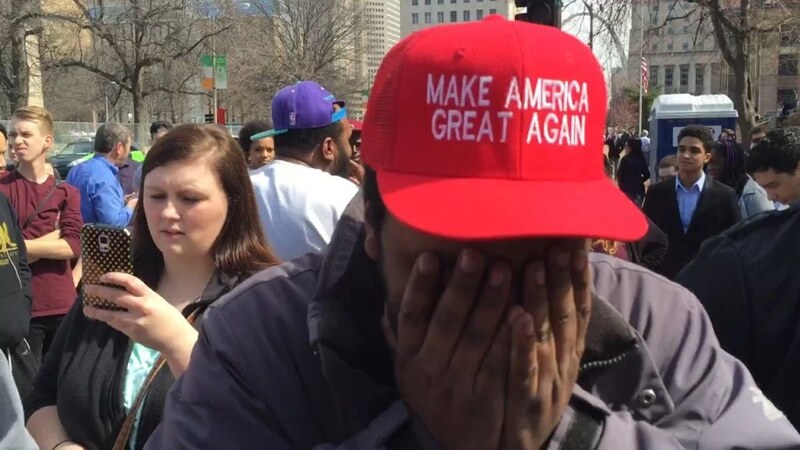
The irony is almost too rich to handle. A self-proclaimed Trump supporter and federal employee is now drowning in regret as he faces the very consequences of his vote—a grueling two-hour commute back to the office, thanks to Trump’s new return-to-office mandate.
One of the first executive orders signed by Donald Trump upon his return to the White House was a crackdown on remote work for federal employees. The move, which has all the fingerprints of billionaire CEO Elon Musk, effectively forces government workers back into office buildings, regardless of the productivity and flexibility remote work had provided since the pandemic. While many private companies have embraced hybrid models or continued remote policies due to their success, Trump’s decision is a clear nod to the anti-WFH stance that Musk has championed across his own companies, including Twitter-turned-X, Tesla, and SpaceX.
For workers, remote jobs meant cutting down on transportation costs, spending more time with family, and maintaining a healthier work-life balance—all while keeping productivity high. Employers benefited, too, with happier employees and minimal disruption to efficiency. But for some business leaders, that’s precisely the problem: a workforce that feels too empowered, too comfortable, and too capable of demanding better conditions.
Enter r/fednews, a Reddit forum where federal employees share workplace insights and grievances. One user, “redhambone,” recently posted a thread titled, “I should have listened before November the 5th.” His post reads like a cautionary tale of voting against one’s own interests:
*“Every day I am commuting two hours, praying to God that I don’t hit traffic because of a wreck. Our latest hires for the past four years are failing and causing serious public safety concerns due to the nature of our job. While I was forced to work during government shutdowns, my administrative counterparts were getting free days off without any negative consequences. I couldn’t take leave when I wanted and I would have to bid days off a year in advance while being forced to work weekends and holidays.
After the last nine months of begging for a non-competitive transfer to be with my fiancée who lives 700 miles away, it was approved—just to be ripped away from me.
I voted for this stupid shit and these are the consequences of my actions. I was spiteful and arrogant.”*
The remorse is real, but so is the pattern. Trump voters who supported him despite his first term’s track record are now facing reality—but not because they’ve had a change of heart on policy. As many on Reddit pointed out, their regret often stems from personal inconvenience, not from a broader concern for the country’s well-being.
One Reddit commenter, “23dgy4me,” summed up the collective frustration:
“Sorry, but I don’t feel sympathy for you. There are people who are going to suffer FAR worse than what you’re going through due to the consequences of your vote. My sympathies go out to them instead. And to all the people out here lining up to console this chucklefck (who is only feeling remorseful because he got bit in the ass, he still doesn’t give a fck about you or your rights)—you know what the best part is? When 2028 rolls around, motherfckers like this will STILL vote for conservatives.”*
After some pushback, they added:
“Let’s say this guy is a single-issue voter, right? Next election rolls around and the conservative candidate promises to fulfill the one specific issue he’s harping about. Well then I guess once again, fck civil rights, fck healthcare, fck supporting our allies, as long as this guy can go back to remote work.”*
The sentiment reflects a deep-seated frustration with voters who only recognize policy failures when they impact their daily lives. While there’s a certain schadenfreude in watching people suffer from their own choices, it raises a larger question: Will this kind of regret actually translate into meaningful political change, or is it just temporary outrage until the next election cycle?