Eric looked me in the eye and said, “I’m going to walk my daughter down the aisle,” just moments after learning he had colon cancer that had already spread to his liver. He was only 35. As his oncologist, I admired his strength—but I quietly questioned whether he’d survive long enough to see that day. At the time, the outlook for patients like him was grim.
But thanks to a groundbreaking study and a bold, forward-thinking surgeon, Eric got a second chance. We went all in with surgery and chemotherapy. Against the odds, it worked. Now, two decades later, Eric is cancer-free, raising his family, and living proof of what medical research can do when it’s given the resources it needs to succeed.
Stories like Eric’s are no longer rare miracles. Thanks to decades of federally funded research, we can now cure about 1 in 4 patients with metastatic stage IV colon cancer. Advanced chemotherapy and immunotherapy have transformed once-fatal diagnoses into manageable—and sometimes beatable—conditions. This kind of progress didn’t happen overnight, and it definitely didn’t happen on its own.
The U.S. government has been the backbone of global cancer research, contributing over half of the world’s funding between 2016 and 2020. That investment has saved lives, extended hope, and turned science fiction into clinical reality. But now, those very lifelines are being pulled.
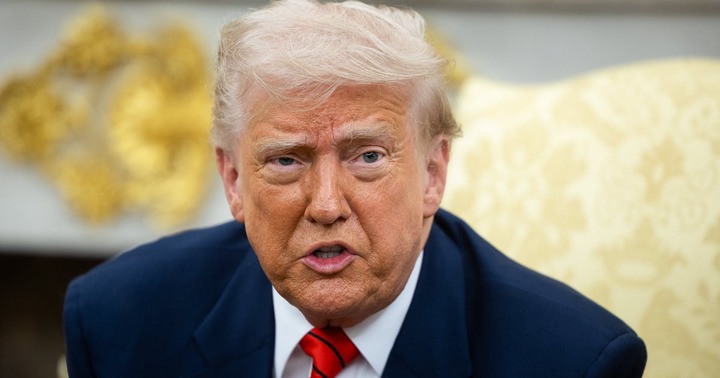
Under Donald Trump’s administration, brutal funding cuts have hit universities and research institutions across the country. Columbia lost $400 million. Northwestern, $790 million. Cornell, $1 billion. Harvard, a staggering $2.2 billion. These are not just numbers. These are lost clinical trials, abandoned labs, and discoveries that may never be made.
The fallout won’t be immediate. It won’t make headlines tomorrow. But it will creep in—slowly, silently—through diagnoses missed, treatments that never come, and futures that disappear without warning.
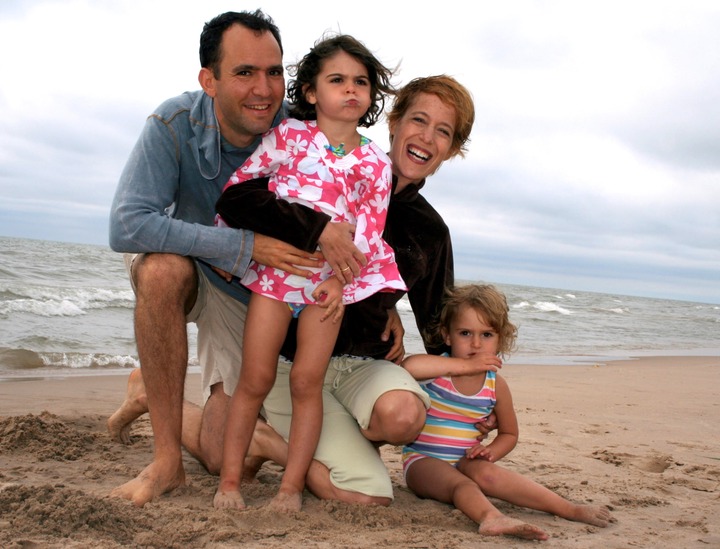
I don’t just say this as a doctor. I say this as a mother. My daughter and I both live with hypermobile Ehlers-Danlos syndrome (EDS), a complex, poorly understood connective tissue disorder. There’s no diagnostic test, no approved treatment, no official guidance—just daily pain and a patchwork of experimental ideas I cobble together based on scattered research and educated guesswork.
Just as EDS was beginning to get attention in the research world, funding was slashed. Promising studies stalled. Progress stopped mid-sentence. Families like mine were left behind, forced to navigate blindfolded while the roadmap to answers was ripped up.
Without support for medical research, science doesn’t just stall—it vanishes. And once time is lost in research, it’s gone for good. The next cure, the next breakthrough, the next chance at hope—it all hangs in the balance.
This isn’t just about politics or budget spreadsheets. It’s about whether your family or mine will have access to the care they need when life is on the line. It’s about the little girl down the street who might one day face a diagnosis no one knows how to treat. It’s about whether we choose to move forward or let fear and ignorance dictate our fate.
Because when science is under attack, so is every family that depends on it.