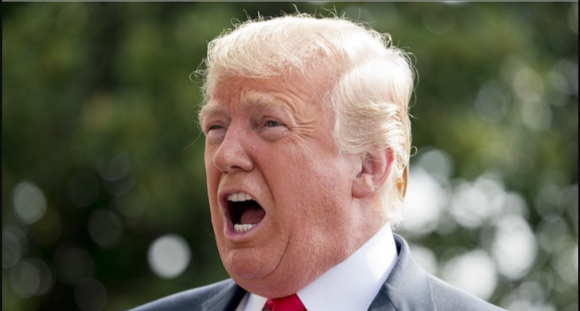
A recent development, freshman Congressman Michael Rulli, a Republican from Ohio and owner of Rulli Bros. grocery chain, has sharply criticized Vice President Kamala Harris’s proposed price control measures. Rulli, who brings firsthand experience from the grocery industry, warns that these regulations could have severe repercussions for both businesses and consumers.
According to a report by The New York Post on August 24, 2024, Rulli argues that the proposed price controls could critically damage the grocery sector, which already operates on narrow profit margins. The congressman, whose family has been involved in the grocery business since 1917, expressed concern that these regulations could lead to the collapse of many grocery stores.
“The proposed price controls could be a nail in the coffin for our industry,” Rulli told Fox News. He pointed out that the average net profit margin for grocery stores is just 1.5% to 1.75%, meaning that for every $100 spent, stores make only about $1.50 in profit. With such thin margins, additional regulatory burdens could be detrimental.
Rulli fears that price controls would cause shortages of essential items. He illustrated this by using Procter & Gamble as an example, suggesting that if the company is forced to keep the price of Tide detergent at $4.99 for several years, it might stop producing the product altogether.
He compared the potential impact to economic conditions in countries like Cuba and Venezuela, where price controls have led to severe shortages and economic distress. During her tenure, Kamala Harris has managed a period of significant inflation, and her latest policy proposal aims to tackle “price gouging” by limiting charges for essential goods.
The proposal has sparked intense debate, with critics branding it as “communism” or “Kamunism,” according to The New York Post. Rulli, who won a special election in June to replace retired GOP Rep. Bill Johnson, believes that smaller and independent grocery stores are especially at risk.
“Many of these smaller stores will go out of business,” Rulli said. He noted that in his area alone, five grocery stores have shut down in the past two years. Critics argue that price controls could stifle competition and innovation, potentially leaving consumers with fewer choices and higher prices over time.

Rulli emphasized that the grocery industry is already struggling with rising costs and supply chain issues. He advocates for policies that foster a competitive and free market rather than additional regulations.
Proponents of Harris’s plan, however, argue that price controls are essential to protect consumers from excessive corporate profits. They highlight that major food manufacturers have reported substantial profit increases in recent years, despite rising consumer prices. Supporters contend that the proposed regulations would prevent excessive profit-taking by these companies.
The ongoing debate over price controls reflects broader discussions about government intervention in the economy, particularly during periods of economic strain. As both sides present compelling arguments, the outcome of this debate could significantly impact businesses and consumers.
For Congressman Rulli, the issue is deeply personal. As a business owner, he believes that reducing regulatory burdens and promoting a fair market are key to supporting both businesses and consumers. The debate over Harris’s price control proposal is set to be a crucial topic as policymakers navigate economic challenges in the lead-up to the next election.