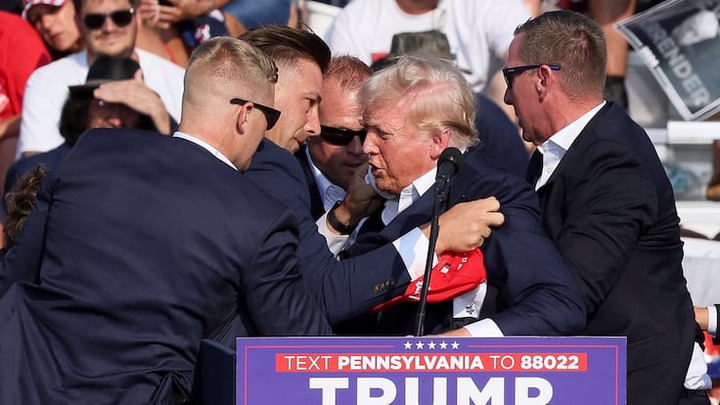
The recent assassination attempt on former President Donald Trump has shaken the political world, igniting a dramatic congressional hearing with high stakes and tense exchanges. On July 22, 2024, Democratic Representative Jared Moskowitz issued a stark ultimatum during a House Oversight and Accountability Committee session, posing a chilling hypothetical question to Secret Service Director Kimberly Cheatle.
The hearing, convened to address security lapses that nearly led to Trump’s death at a rally in Butler, Pennsylvania, became a focal point of intense scrutiny. Moskowitz’s provocative question to Cheatle was simple yet profound: What if Trump had been killed during the attack?
In a dramatic exchange, Moskowitz asked Cheatle if she would have resigned had Trump been assassinated. Cheatle’s measured response that she would remain to oversee the investigation did little to satisfy Moskowitz, who pressed her on whether she would have taken responsibility by stepping down. “Would you have tendered your resignation if he had been killed?” Moskowitz asked, his frustration evident.
Cheatle’s assurances that she would “take accountability” did not appease the congressman, who was adamant about the need for accountability within the Secret Service. Moskowitz’s repeated inquiries about firing those responsible for the security lapse underscored the gravity of the situation and the intense scrutiny facing the agency.
The hearing highlighted significant concerns about the Secret Service’s preparedness and decision-making processes. Moskowitz’s questioning reflected a broader bipartisan anxiety about the safety of political figures in an increasingly volatile climate. The attempted assassination, which left Trump injured and a supporter dead, has reignited debates about gun control and the protection of public figures.
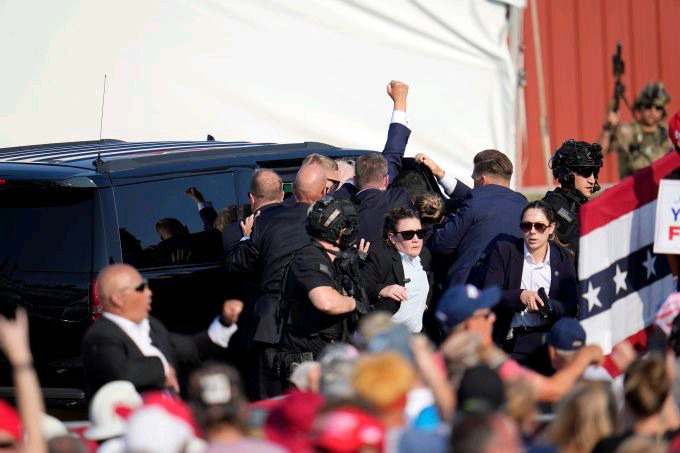
Moskowitz’s hypothetical scenario served as a stark reminder of the potentially catastrophic consequences of security failures. The incident has prompted calls for a complete overhaul of the Secret Service and raised questions about the agency’s ability to safeguard political leaders effectively.
The hearing also touched on broader issues of public safety and law enforcement’s role in preventing such attacks. Moskowitz’s forceful questioning and his dire ultimatum have served as a wake-up call for the Secret Service and other protective agencies, emphasizing the need for swift and decisive action in the face of security breaches.
As the investigation into the assassination attempt continues, the spotlight remains on the Secret Service’s readiness and the necessity for clear protocols and robust protective measures. Moskowitz’s questioning has underscored the complex challenges facing the agency and the urgent need for improved security measures to protect high-profile political targets.