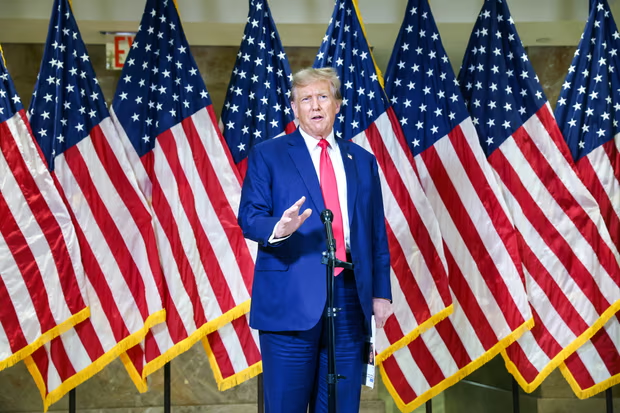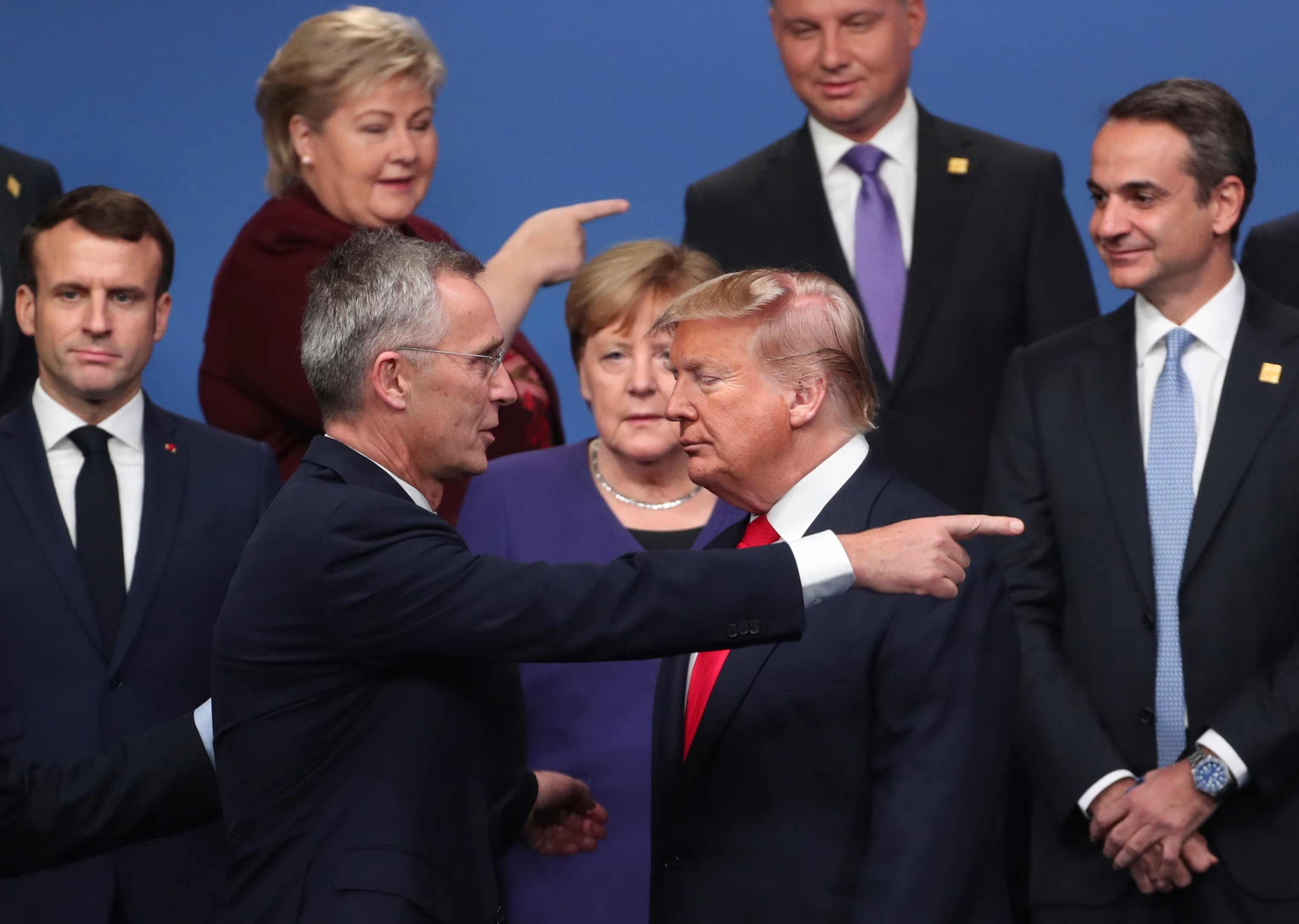
Move that has stirred global concern, former President Donald Trump’s recent declaration that he would encourage Russia to attack NATO allies who fail to meet defense spending commitments has drawn both support and criticism from within his own party. Leading Republican figures, including Senator Tom Cotton of Arkansas and Senator Lindsey Graham of South Carolina, have rallied behind Trump, portraying his remarks as a necessary wake-up call to NATO members who are not fulfilling their financial obligations.
Senator Cotton characterized Trump’s comments as “simply ringing the warning bell,” emphasizing the importance of strength in deterring aggression and pointing to instances of Russian aggression during previous administrations. Meanwhile, Senator Graham dismissed the controversy, attributing Trump’s rhetoric to his unconventional style and asserting that under Trump’s presidency, there were no instances of foreign invasion.
However, not all Republicans have embraced Trump’s stance without reservation. Senator Marco Rubio of Florida and Senator Rand Paul of Kentucky offered more nuanced responses, with Rubio highlighting Trump’s departure from traditional diplomatic discourse and Paul labeling the remarks as “stupid.”
Former UN Ambassador Nikki Haley, a contender for the Republican presidential nomination, voiced concern over Trump’s approach, cautioning against siding with Russian President Vladimir Putin. Additionally, former Republican officials such as Chris Christie and members of Trump’s own administration, including former National Security Advisors John Bolton and HR McMaster, criticized the remarks as inappropriate and potentially damaging to U.S. interests.
Despite varying opinions within the Republican Party, voices such as former Congresswoman Liz Cheney have underscored the importance of NATO as a bulwark against conflict and emphasized the need for steadfast American leadership in defense of allies.
The debate over Trump’s remarks reflects ongoing divisions within the GOP regarding foreign policy and the party’s alignment with its former leader as it looks ahead to the upcoming presidential election.