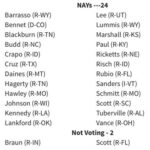
Unveiling of the $1.2 Trillion Omnibus Bill has stirred significant controversy. Clocking in at over 1,000 pages, the bill’s contents were shrouded in secrecy, emerging in the dead of night with less than 24 hours before its scheduled House vote. This rushed timeline has sparked criticism and raised questions about transparency and accountability in the legislative process.
One of the primary points of contention surrounding the omnibus bill is its allocation of funds towards Diversity, Equity, and Inclusion (DEI) initiatives, abortion rights, and the promotion of transgender ideology. These provisions have sparked intense debate among lawmakers and the public alike, with supporters applauding the bill’s progressive measures and detractors voicing concerns about the prioritization of controversial social issues over other pressing matters.
Additionally, a notable absence in the bill is a concrete plan to address border security concerns. Critics argue that failing to address border security in a comprehensive manner could have serious implications for national security and immigration policy.
Furthermore, scrutiny has fallen upon the list of 126 Republican members of Congress labeled as “RINOs” (Republicans In Name Only) who supported the bill. This term is often used to describe lawmakers who are perceived as not upholding conservative principles or who deviate from party orthodoxy. The inclusion of these members in the bill’s passage has sparked internal divisions within the Republican Party and fueled debates about ideological purity versus pragmatic governance.
As this latest omnibus bill continues to make waves in political circles, it underscores the complexities and controversies inherent in the legislative process. With divergent viewpoints and competing priorities at play, navigating the intricacies of policymaking remains a formidable challenge for lawmakers and citizens alike.
In conclusion, the $1.2 Trillion Omnibus Bill represents a flashpoint in contemporary politics, highlighting the tensions between transparency, ideology, and practical governance. Its passage and the ensuing debates serve as a reminder of the complexities of policymaking in a diverse and divided society.