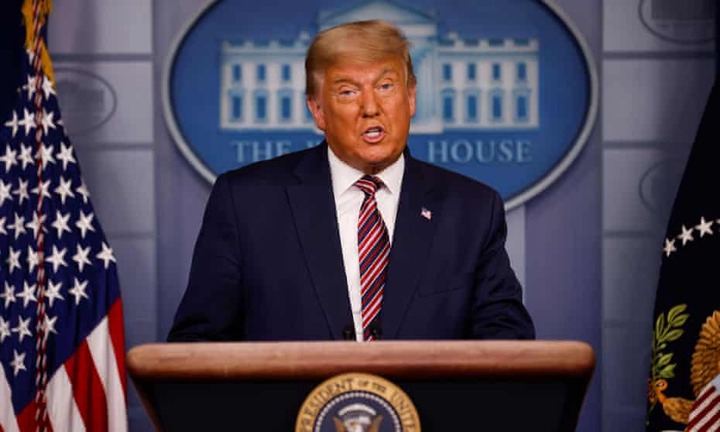
Recent polls have unveiled a substantial surge in support for former President Donald Trump among Black Americans, challenging conventional political narratives and potentially reshaping the landscape of the upcoming presidential election.
According to data cited by Bloomberg, Trump’s appeal among Black voters now ranges from 14 percent to an impressive 30 percent, a marked increase from the 8 percent reported by the Pew Research Center in the 2020 presidential election. This shift signifies a potential paradigm change in Black voter preferences, both on a national scale and in crucial swing states.
Historically unprecedented, these figures defy traditional expectations, as no Republican candidate has secured such a significant portion of the Black vote in previous elections. The polls suggest a departure from established patterns and a redefinition of electoral dynamics.
Several factors contribute to Trump’s newfound appeal among Black voters. Firstly, his pre-presidential business career resonates with those valuing economic success and job creation. Trump’s emphasis on economic policies fostering job growth and entrepreneurship could find support among diverse demographic groups, including Black Americans seeking increased economic opportunities.
Additionally, criminal justice reform initiatives during Trump’s presidency, such as the First Step Act, have garnered bipartisan praise for addressing sentencing disparities and prison reform. These efforts may have played a crucial role in shaping a more favorable view of Trump among Black voters.
Trump’s unorthodox communication style and direct engagement with various communities, including Black Americans, are also notable factors. This approach has fostered a sense of connection and outreach not commonly associated with Republican candidates, potentially influencing voter sentiment positively.
Should these polling trends materialize into substantial support at the ballot box, the implications for the political landscape could be far-reaching. Trump’s ability to broaden his appeal challenges prevailing narratives about the demographic constraints of the Republican Party. This dynamic shift would likely prompt both major parties to reassess their outreach strategies and policies to resonate with an increasingly diverse electorate.
Trump’s potential success in attracting Black voters may mark a turning point for the GOP, encouraging future candidates to adopt a more inclusive approach to appeal to a broader cross-section of Americans. The upcoming presidential election could witness a redefined political landscape, prompting a reevaluation of traditional party strategies.