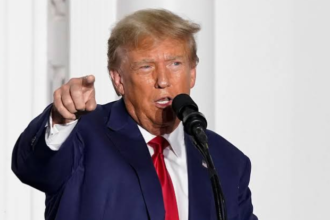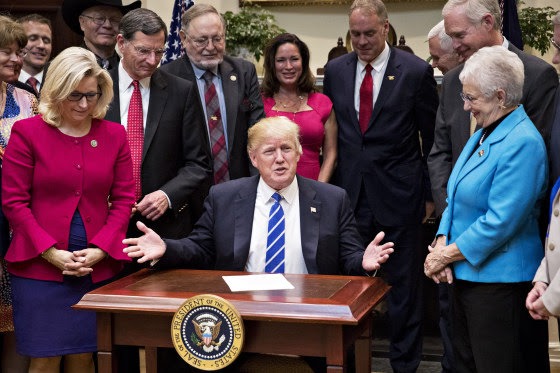
Former President Donald Trump has taken to social media, asserting that the Lincoln Project employed artificial intelligence (AI) to distort his image in a new attack ad titled “Feeble.”
Trump’s claims, made on his Truth Social platform, allege that the Lincoln Project and other groups utilized AI in what he described as “Fake television commercials.” However, as reported by Forbes on Tuesday, December 5, 2023, these claims appear to lack substantiated evidence, with the Lincoln Project vehemently denying any involvement of AI in their production.
The disputed ad, which showcases moments from Trump’s presidency including infamous gaffes and controversial statements, has become a focal point of contention. Investigations into the matter reveal that the ad primarily relies on authentic footage, capturing various lowlights from Trump’s time in office. One notable aspect of the ad is its portrayal of Joe Biden as a more vigorous figure compared to Trump, a theme reinforced by the narration and even a suggestive shot of two blue pills.
Despite Trump’s insistence on AI involvement, the Lincoln Project maintains that they presented reality without resorting to artificial manipulation.
Reacting to Trump’s accusations, Rick Wilson, co-founder of the Lincoln Project, responded on Twitter, dismissing the claims and asserting that they didn’t need AI to portray Trump as they did. The tweet reads, “Listen, you shambling pantloaf, we didn’t need AI to make you look like an impotent, drooling codger in steep cognitive decline.”
Interestingly, Trump’s social media history reveals his own use of AI in a Truth Social post from March, featuring a manipulated image of him kneeling down to pray.
Additionally, the Republican National Committee (RNC) previously released an attack ad containing entirely fabricated images generated by AI, albeit with a small disclaimer.
As the 2024 presidential election looms, concerns about the spread of manipulated media on social platforms have escalated. Experts warn that the coming election could witness unprecedented levels of misleading content shared on platforms such as TikTok, Facebook, and Twitter.
In the midst of these allegations and counterclaims, it’s crucial to differentiate between genuine concerns about AI manipulation and baseless accusations. The evolving landscape of political advertising in the digital age demands increased scrutiny to ensure transparency and the integrity of information disseminated to the public.