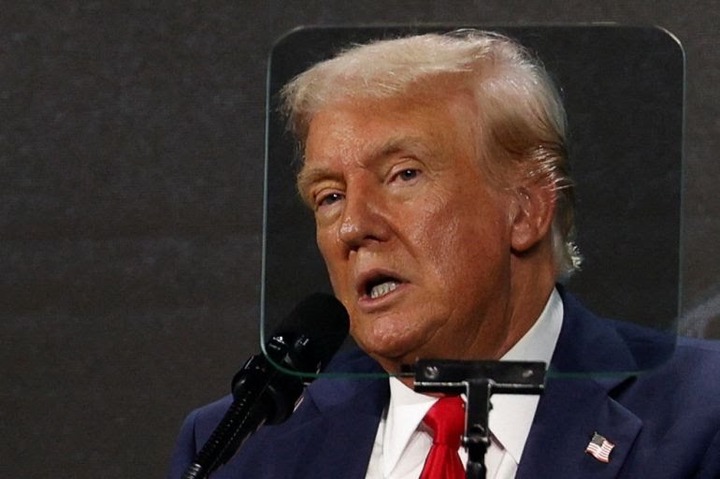
Development for former President Donald Trump, the U.S. Supreme Court has chosen not to delay his sentencing in the hush money case. This decision keeps in place a gag order related to his conviction in a New York state court, which pertains to felony charges over payments made to a porn star. The ruling comes as a blow to Trump’s legal team and adds further complexity to his 2024 presidential campaign.
On August 5, 2024, the Supreme Court’s unsigned order determined that Trump’s sentencing will proceed as scheduled despite challenges from Missouri. The state argued that the case infringed on voters’ constitutional rights to hear from Trump, who is a Republican presidential nominee. The justices did not grant the request to lift the gag order or delay sentencing, although conservative Justices Clarence Thomas and Samuel Alito expressed their support for allowing the lawsuit to be filed by Missouri Attorney General Andrew Bailey.
Bailey contended that the New York gag order improperly restricts Trump’s campaign activities and could hinder his ability to travel. He argued that the state’s actions infringe on the rights of Missouri’s voters and electors. However, New York Attorney General Letitia James countered that the state courts are already handling the appeals process, and there is no basis for Supreme Court intervention at this time. She warned that allowing such a suit would undermine the ongoing state court proceedings.
Trump’s conviction involves falsifying business records to cover up a $130,000 payment to porn star Stormy Daniels, who alleged an affair with Trump prior to the 2016 election. Prosecutors argued that the payment was intended to support Trump’s presidential campaign against Democrat Hillary Clinton. Trump has consistently denied the affair and plans to appeal the conviction after his sentencing, which is set for September. Additionally, Trump seeks to overturn the conviction based on a recent Supreme Court ruling that granted him broad immunity from prosecution as a former president. This ruling diminishes the chances of him facing trial on election interference charges before the election.
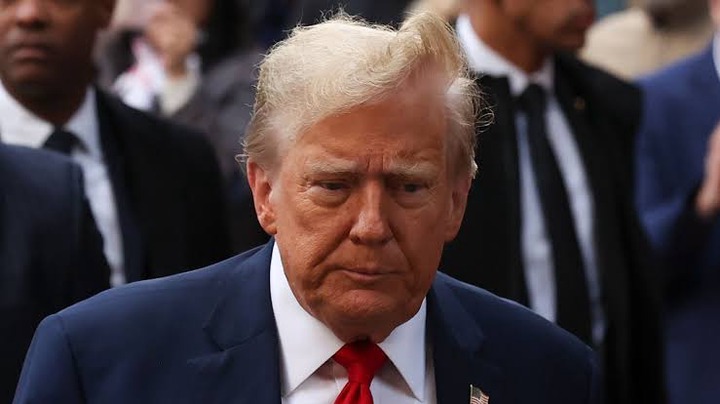
This Supreme Court decision aligns with previous rulings where the court has dismissed suits framed as state conflicts, including challenges to the 2020 presidential election results. The refusal to delay Trump’s sentencing adds another layer of complexity to his 2024 presidential campaign. Despite ongoing legal issues, Trump remains a dominant figure within the Republican Party and a key contender for the GOP nomination.
In related news, Vice President Kamala Harris’s campaign has dismissed Trump’s suggestion to change the date of the next presidential debate to September 4 on Fox News. Meanwhile, President Joe Biden is pushing for Supreme Court reform, reflecting growing support for changes in the court’s composition and functioning, though these proposals face significant opposition.
As the 2024 presidential election nears, the intersection of legal and political issues remains highly charged. Trump’s legal battles continue to shape the political landscape, underscoring the high stakes for both candidates and voters. The Supreme Court’s decision to proceed with Trump’s sentencing highlights the ongoing tension between state and federal judicial processes and its broader implications for electoral politics. The nation remains attentive as these developments unfold, impacting the presidential race and the broader political arena.