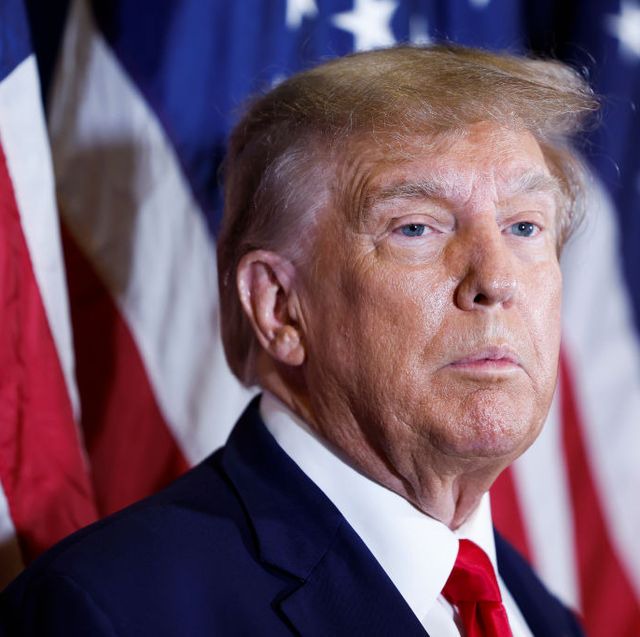
Former President Donald Trump is leveraging a recent Supreme Court ruling to declare immunity in his ongoing classified documents case in South Florida. Trump aims to use this ruling, which grants a presumption of immunity for official acts, to block both the federal election conspiracy case brought by special counsel Jack Smith and the classified documents case. However, legal experts argue that this strategy is unlikely to succeed.
According to Raw Story on Tuesday, July 9, 2024, former White House ethics counsel Norm Eisen, former Trump attorney Tim Parlatore, and former Senate Judiciary Committee counsel Josh Kolb jointly penned an article for CNN asserting that Trump’s gambit is doomed to fail. They argue that the Supreme Court’s ruling does not provide the blanket immunity Trump seeks and that the legal context of his cases significantly differs from the circumstances addressed by the Court.
The Supreme Court’s ruling, issued in a different context, established that a sitting president enjoys a presumption of immunity for official acts conducted while in office. This presumption, rooted in the separation of powers, aims to protect the executive branch from undue interference by other branches of government. However, the ruling does not extend to actions taken outside the scope of official duties, nor does it cover actions taken after leaving office.
Trump’s legal team is arguing that the Supreme Court’s decision should apply to his handling of classified documents, framing it as part of his official duties while he was president. They contend that his decisions regarding the handling, retention, and disposition of these documents fall under the umbrella of his official responsibilities and should thus be protected by the presumption of immunity.
Eisen, Parlatore, and Kolb counter this argument by highlighting that the classified documents case involves allegations of mishandling sensitive information and potential violations of federal law. They argue that these actions fall outside the scope of Trump’s official duties and cannot be shielded by presidential immunity. Moreover, they emphasize that the presumption of immunity applies to a sitting president, not a former one.
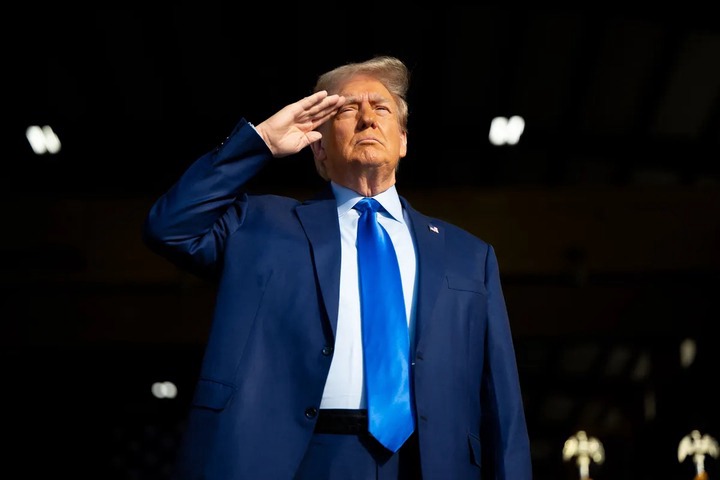
The classified documents case centers on allegations that Trump took classified materials from the White House and stored them at his Mar-a-Lago residence after leaving office. The case has raised significant national security concerns given the sensitive nature of the documents involved. The Department of Justice is investigating whether Trump’s actions violated the Presidential Records Act or other federal statutes related to the handling of classified information.
Eisen, Parlatore, and Kolb assert that Trump’s attempt to invoke immunity in this context is a misapplication of the Supreme Court’s ruling. They argue that extending presidential immunity to cover actions taken after leaving office would set a dangerous precedent, effectively placing former presidents above the law. Furthermore, the legal experts note that even if Trump’s actions were deemed to fall within his official duties, the presumption of immunity is not absolute.
The Supreme Court’s ruling allows for exceptions in cases involving potential criminal conduct. They argue that the allegations in the classified documents case, which involve possible violations of federal law, would likely fall under such exceptions.
Trump’s gambit to declare immunity in the classified documents case faces significant legal hurdles. The Supreme Court’s ruling on presidential immunity does not provide the blanket protection he seeks, particularly for actions taken after his presidency and those involving potential criminal conduct. As Eisen, Parlatore, and Kolb assert, this strategy is likely to fail, leaving Trump to face the legal challenges ahead.